
Buy Ascend Peptides
Welcome to the Ascend Bio Labs catalog. Use the filters to move between individual peptides, blends, capsules, spray kits and lab accessories, search by compound name, or tick Has COA to see only the products with a published laboratory report. Prices start at the single-unit price and every product page lets you pick 1 to 5 units. Out-of-stock items are labeled.
Every item is sold for laboratory research use only. New here? Read how to order, check the Ascend Bio Labs COAs, or learn the basics in our research peptide primer.
All Ascend Bio Labs products are sold strictly for in vitro and laboratory research by qualified adults. They are not drugs, foods, cosmetics or supplements, are not for human or veterinary use, and have not been evaluated by the FDA.
 RESEARCH USE ONLY
Ascend H2O
Ascend H2O is a sterile aqueous diluent containing 0.9% benzyl alcohol used for reconstituting lyophilized research compounds prior to in vitro investigation. A widely utilized solvent in peptide chemistry and biochemical laboratory protocols.
 RESEARCH USE ONLY
Insulated Peptide Storage Case
A insulated hard-shell zippered case with a fitted EVA foam insert: cut-outs for vials in two sizes, an open tray for syringes, and a zippered mesh pocket in the lid for swabs and small supplies. Holds research vials upright and separated, in storage and in transit.
 RESEARCH USE ONLY
CJC no DAC/Ipamorelin (5/5mg)
CJC no DAC/Ipamorelin is a combination of a stabilized 29-amino-acid GHRH analog and a selective ghrelin receptor (GHS-R1a) agonist, studied for its roles in dual-pathway pituitary somatotroph co-activation, cAMP signaling cascades, and pulsatile growth hormone secretion. A widely characterized compound pairing in endocrine and growth hormone–IGF-1 axis research literature.
 COA RESEARCH USE ONLY
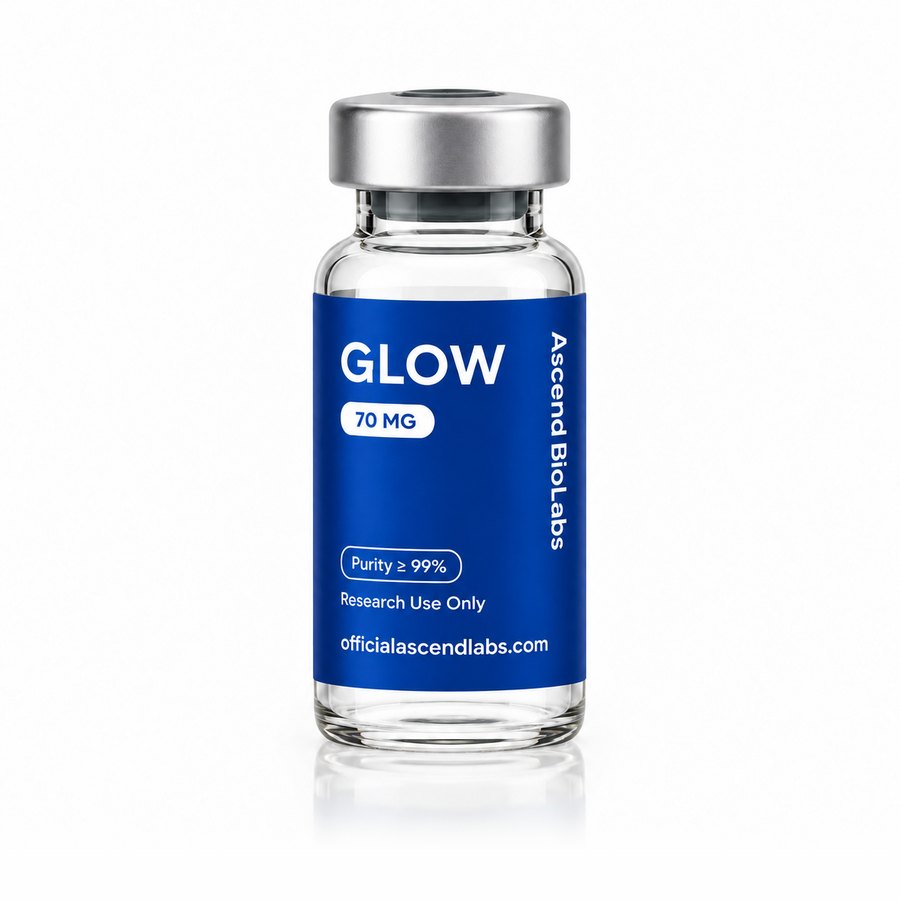
GLOW
GLOW is a multi-peptide blend combining GHK-Cu, BPC-157, and TB-500 studied for its roles in extracellular matrix remodeling, angiogenesis signaling, and cytoskeletal repair pathways. A widely referenced combination in regenerative biology and dermal repair research literature.
 RESEARCH USE ONLY
KLOW
KLOW is a multi-peptide research blend combining KPV, GHK-Cu, BPC-157, and TB-500 studied for its roles in tissue repair signaling, inflammatory cytokine regulation, and extracellular matrix remodeling pathways. A widely characterized combination in regenerative biology and cytoprotection research literature.
 COA RESEARCH USE ONLY
Wolverine Blend (BPC-157 + TB-500)
Wolverine Blend is a multi-peptide combination of BPC-157 and TB-500 studied for its roles in angiogenesis and VEGFR2 signaling, actin cytoskeletal remodeling, and endothelial repair pathways. A widely cited stack in tissue regeneration and musculoskeletal recovery research literature.
 RESEARCH USE ONLY
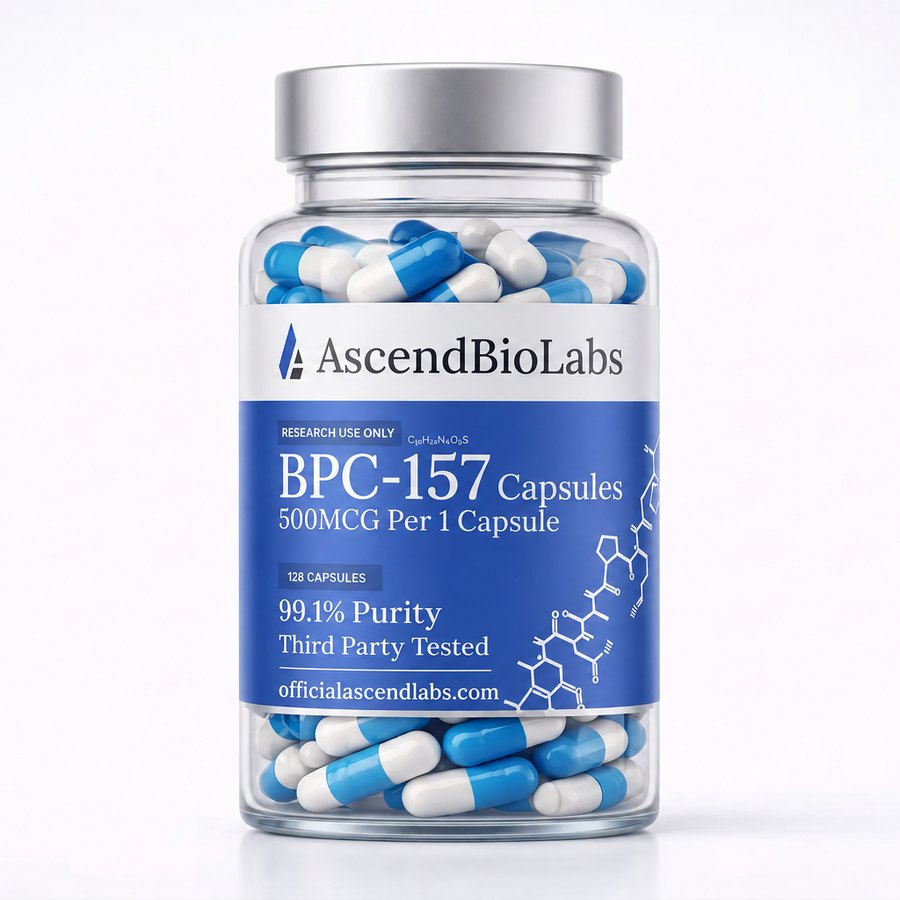
BPC-157 Capsules
BPC-157 Capsules deliver BPC-157 - a synthetic pentadecapeptide derived from a gastric protective protein studied for its roles in angiogenic signaling, growth factor expression, and gastrointestinal mucosal pathways - in oral capsule format for research. A widely cited compound in regenerative and gastroenterological research literature.
 RESEARCH USE ONLY
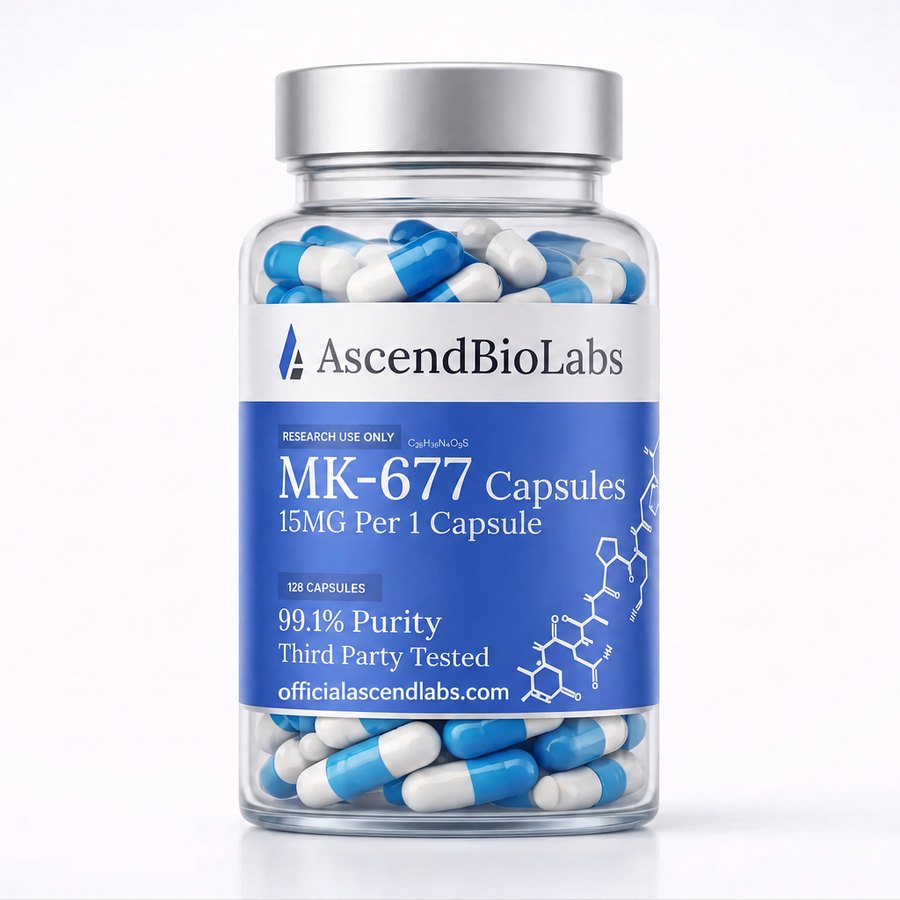
MK-677 Capsules
MK-677 Capsules deliver Ibutamoren (MK-677) - a small-molecule non-peptide ghrelin receptor agonist studied for its roles in growth hormone secretagogue signaling, IGF-1 axis modulation, and pulsatile pituitary release pathways. A widely characterized compound in endocrinology and metabolic research literature.
 RESEARCH USE ONLY
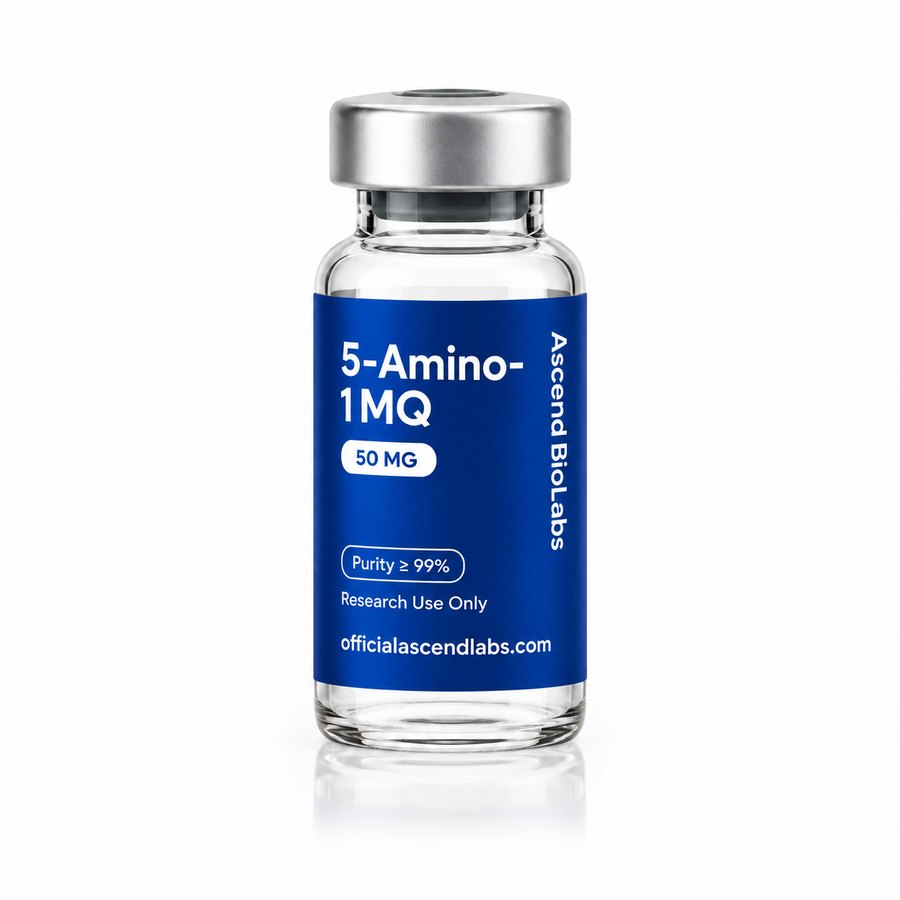
5-Amino-1MQ
5-Amino-1MQ is a small-molecule NNMT (nicotinamide N-methyltransferase) inhibitor studied for its roles in NAD+ salvage pathways, methionine cycle and SAM regulation, and adipocyte lipogenesis signaling. A widely characterized compound in metabolic and energy-homeostasis research literature.
 RESEARCH USE ONLY
AOD-9604
AOD-9604 is a modified C-terminal fragment of human growth hormone (hGH 177-191) studied for its roles in beta-adrenergic receptor signaling, hormone-sensitive lipase activation, and adipocyte lipogenesis pathways. A widely cited compound in metabolic and adipose tissue research literature.
 COA RESEARCH USE ONLY
BPC-157
BPC-157 is a synthetic pentadecapeptide derived from a gastric protective protein, studied for its roles in angiogenic signaling, nitric oxide pathway modulation, and growth factor expression. A widely characterized compound in musculoskeletal and gastrointestinal research literature.
 RESEARCH USE ONLY
Cagrilintide
Cagrilintide is a synthetic long-acting amylin receptor agonist peptide studied for its roles in amylin receptor signaling, satiety pathway modulation, and gastric emptying regulation. A widely characterized compound in energy-homeostasis and appetite-regulation research literature.
 RESEARCH USE ONLY
Cerebrolysin
Cerebrolysin is a peptide-based neurotrophic preparation derived from purified porcine brain protein, studied for its roles in BDNF-like signaling, neuroprotective factor expression, and synaptic plasticity modulation. A widely characterized compound in neurological and cognitive function research literature.
 COA RESEARCH USE ONLY
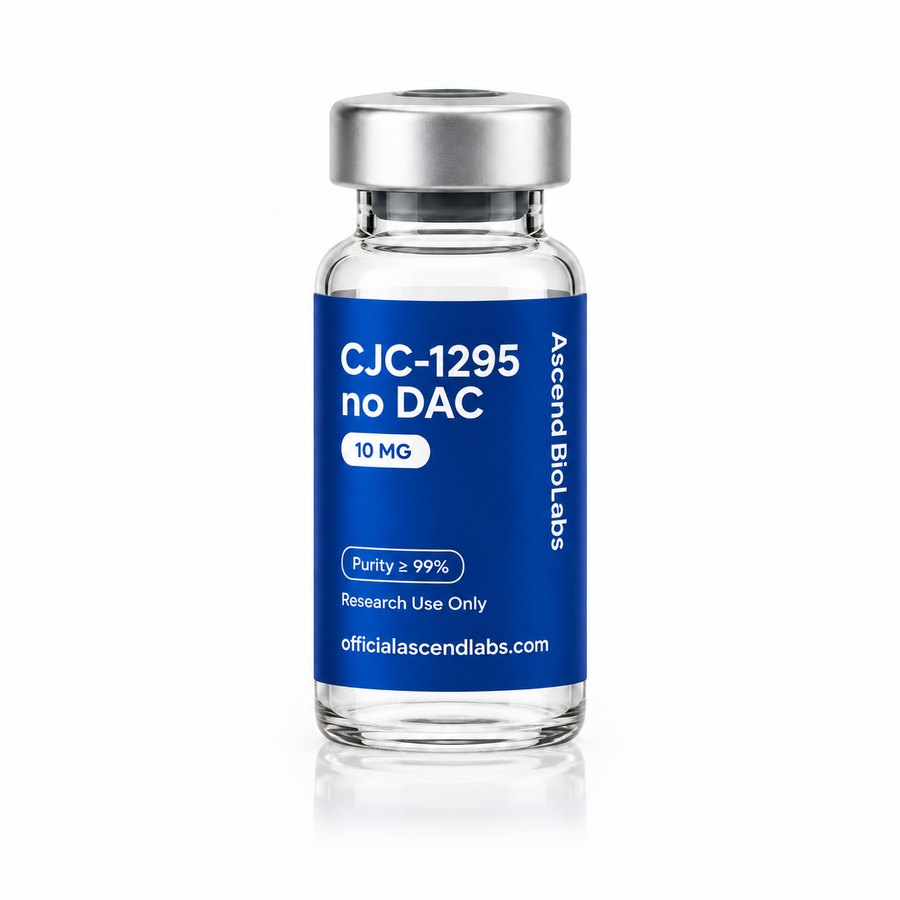
CJC-1295 no DAC
CJC no DAC is a stabilized 29-amino acid GHRH analog studied for its roles in pituitary somatotroph receptor binding, cAMP signaling cascades, and pulsatile growth hormone secretion. A widely characterized compound in endocrine and growth hormone-IGF-1 axis research literature.
 RESEARCH USE ONLY
CJC-1295 with DAC
CJC-1295 with DAC is a long-acting GHRH analog conjugated to a Drug Affinity Complex studied for its roles in pituitary somatotroph signaling, growth hormone pulsatility, and IGF-1 axis modulation. A widely characterized compound in endocrinology and peptide pharmacokinetics research literature.
 RESEARCH USE ONLY
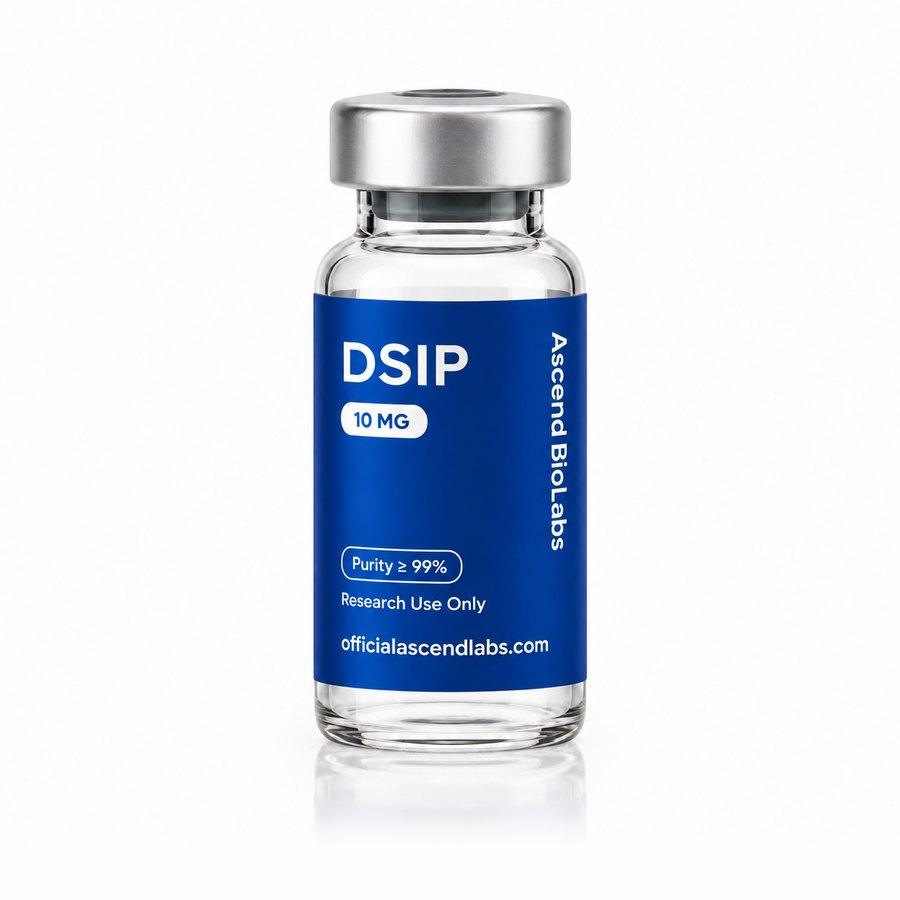
DSIP
DSIP is a naturally occurring nonapeptide studied for its roles in slow-wave sleep regulation, GABAergic and NMDA receptor modulation, and hypothalamic-pituitary-adrenal axis signaling. A widely characterized compound in neuroendocrinology and sleep neuroscience research literature.
 RESEARCH USE ONLY
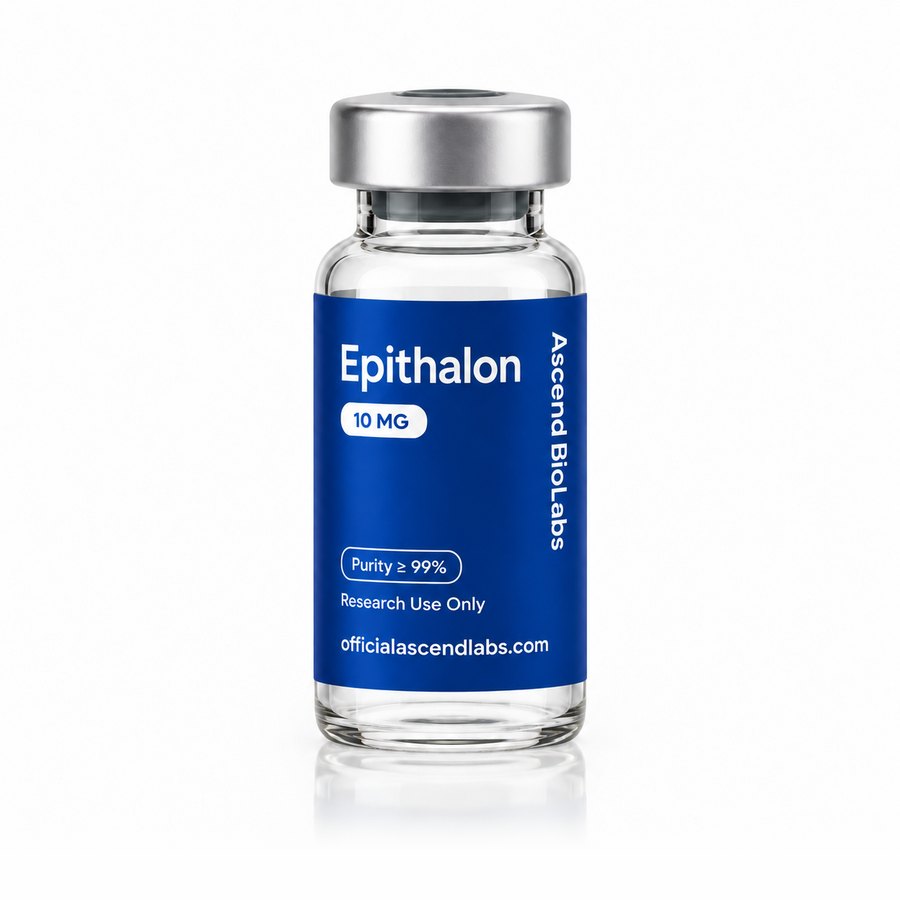
Epithalon
Epithalon is a synthetic tetrapeptide (Ala-Glu-Asp-Gly) and analog of pineal-derived epithalamin studied for its roles in telomerase activity, pineal melatonin synthesis pathways, and circadian rhythm regulation. A widely referenced compound in gerontology and chronobiology research literature.
 RESEARCH USE ONLY
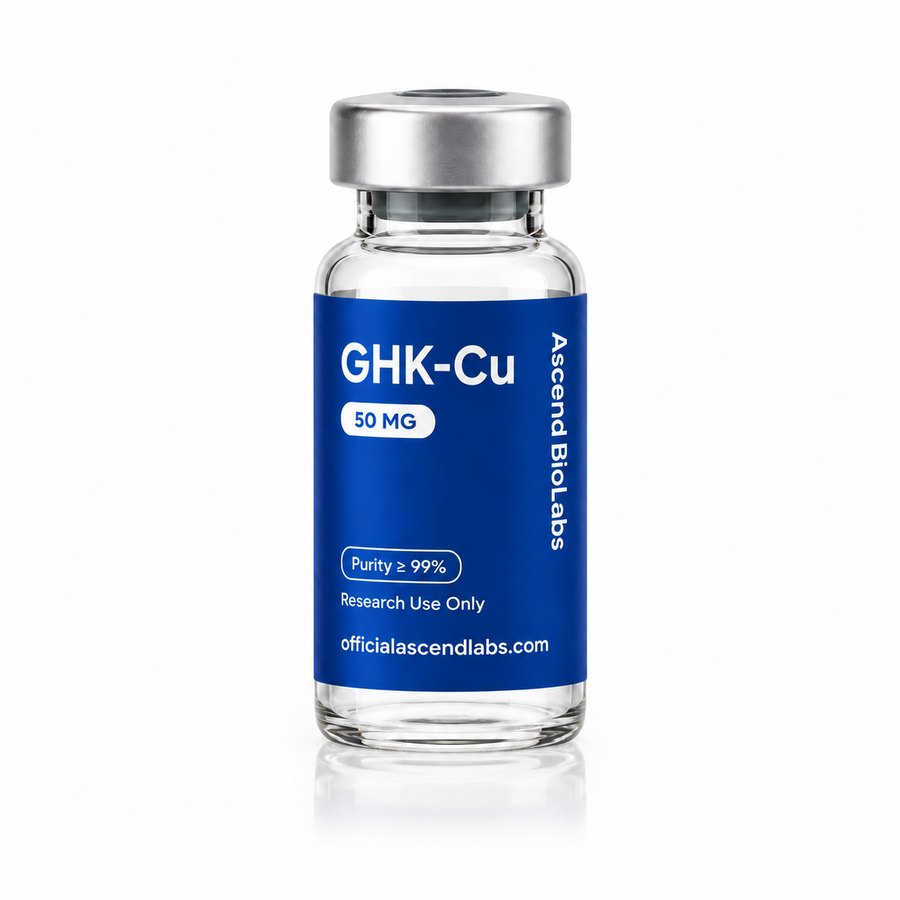
GHK-Cu
GHK-Cu is a naturally occurring copper-bound tripeptide complex studied for its roles in collagen synthesis pathways, extracellular matrix remodeling, and antioxidant enzyme regulation. A widely referenced compound in dermatological and tissue regeneration research literature.
 RESEARCH USE ONLY
GHRP-6
GHRP-6 is a synthetic hexapeptide ghrelin receptor (GHS-R1a) agonist studied for its roles in growth hormone secretagogue signaling, hypothalamic-pituitary axis modulation, and appetite-regulating neuropeptide pathways. A widely characterized compound in endocrinology and neuroendocrine research literature.
 COA RESEARCH USE ONLY
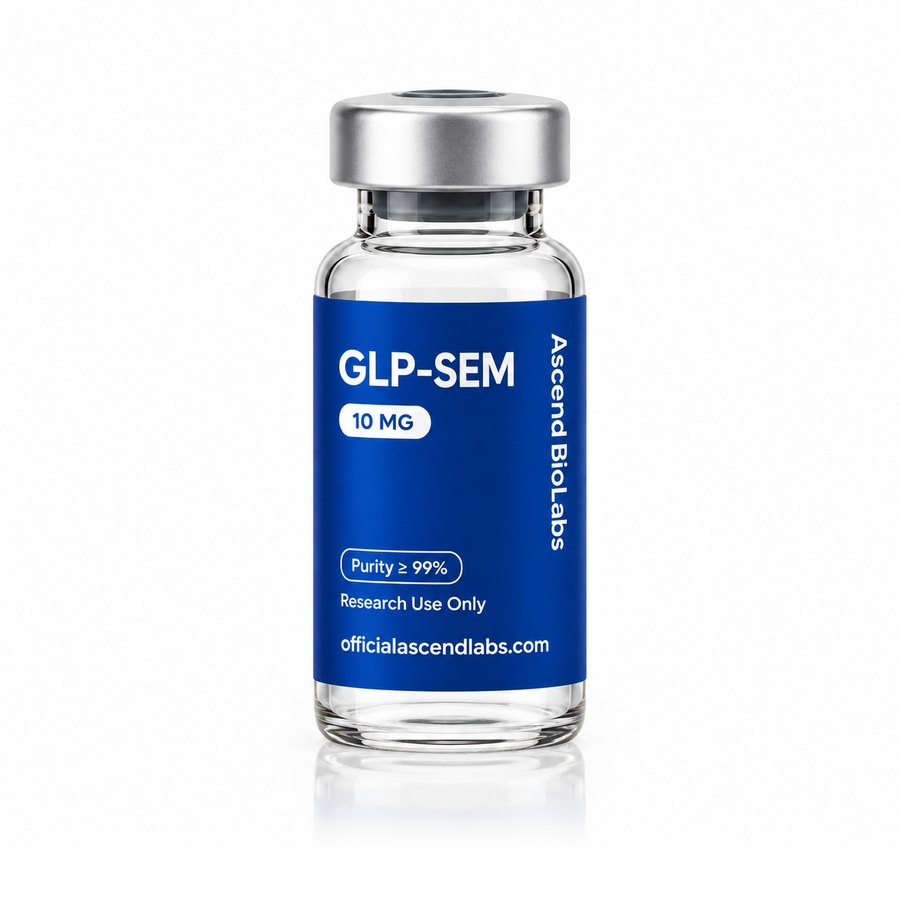
GLP-3 RT
GLP-3 RT is a synthetic 39-amino-acid triagonist peptide studied for its roles in GIP receptor signaling, GLP-1 receptor signaling, and glucagon receptor activation pathways. A widely characterized compound in metabolic and energy-homeostasis research literature.
 RESEARCH USE ONLY
GLP-SEM
GLP-SEM is a 31-amino-acid GLP-1 receptor agonist analog studied for its roles in incretin signaling pathways, glucose homeostasis regulation, and appetite-related neuroendocrine modulation. A widely characterized compound in metabolic and endocrinology research literature.
 COA RESEARCH USE ONLY
GLP-TRZ
GLP-TRZ is a 39-amino acid dual GIP/GLP-1 receptor agonist peptide studied for its roles in incretin signaling, pancreatic beta-cell insulin secretion, and central appetite regulation pathways. A widely characterized compound in metabolic and endocrinology research literature.
 RESEARCH USE ONLY
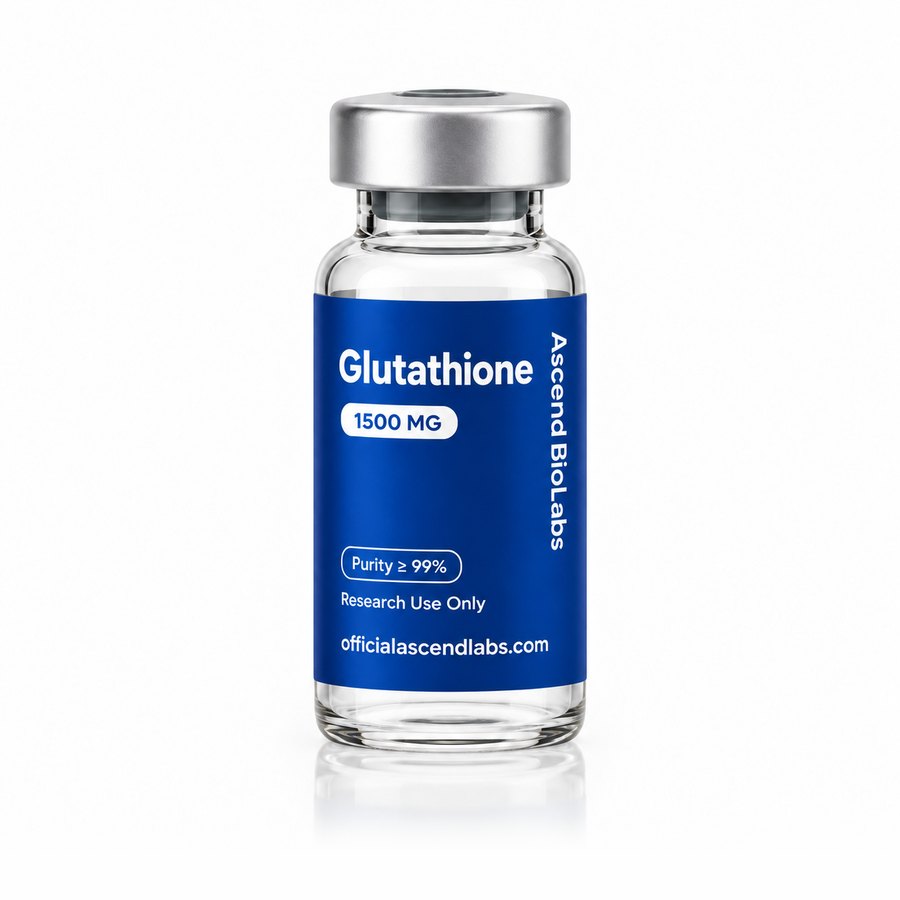
Glutathione
Glutathione is a gamma-L-glutamyl-L-cysteinyl-glycine tripeptide studied for its roles in cellular redox homeostasis, electrophile conjugation and detoxification pathways, and glutathione peroxidase-mediated reactive oxygen species cycling. A widely characterized compound in oxidative stress and biochemical research literature.
 RESEARCH USE ONLY
HCG
HCG is a heterodimeric glycoprotein hormone composed of non-covalently linked alpha and beta subunits studied for its roles in LH/CG receptor binding, cAMP and ERK signaling cascades, and steroidogenesis pathways. A widely characterized compound in reproductive endocrinology and gonadal physiology research literature.
 RESEARCH USE ONLY
IGF-1 LR3
IGF-1 LR3 is a long-arginine-3 analog of insulin-like growth factor-1 studied for its roles in IGF-1 receptor binding, PI3K/Akt/mTOR signal transduction, and FoxO-mediated transcriptional regulation. A widely characterized compound in skeletal muscle physiology and growth-factor signaling research literature.
 RESEARCH USE ONLY
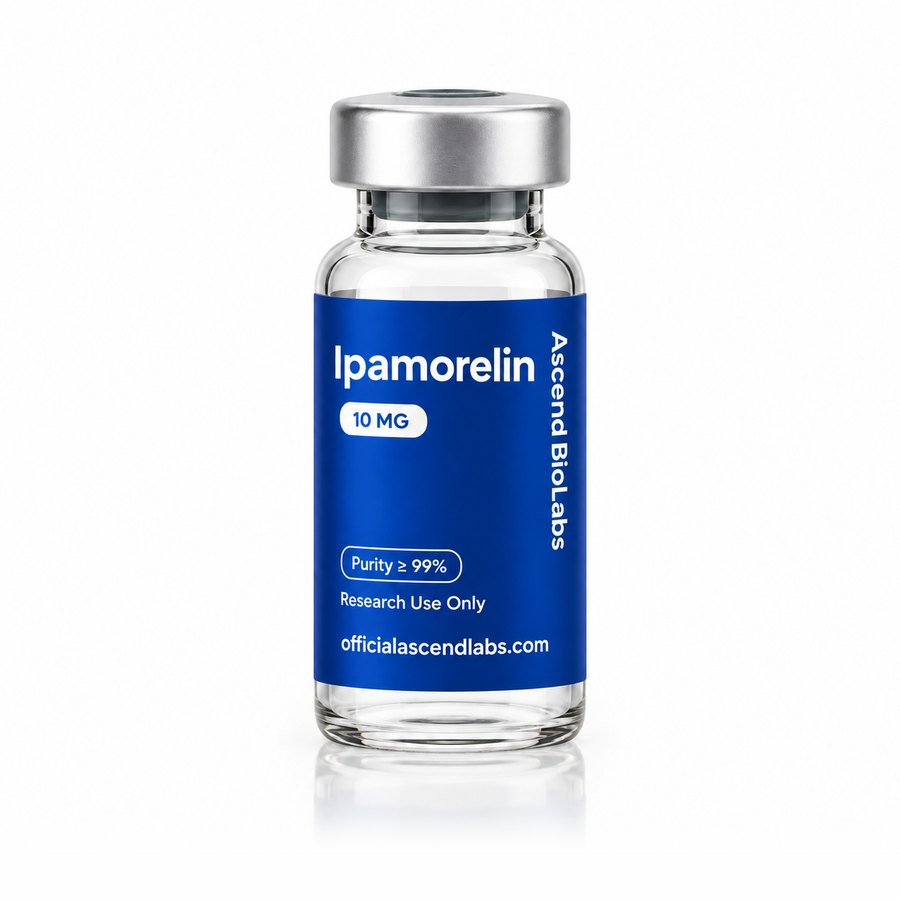
Ipamorelin
Ipamorelin is a synthetic pentapeptide and selective ghrelin receptor (GHS-R1a) agonist studied for its roles in growth hormone secretion pathways, pituitary somatotroph signaling, and IGF-1 axis modulation. A widely characterized compound in endocrinology and neuroendocrine research literature.
 RESEARCH USE ONLY
Kisspeptin
Kisspeptin is a 10-amino-acid C-terminal peptide fragment and KISS1R/GPR54 receptor ligand studied for its roles in hypothalamic-pituitary-gonadal axis signaling, GnRH neuron activation, and luteinizing hormone release pathways. A widely characterized compound in reproductive endocrinology and neuroendocrine research literature.
 RESEARCH USE ONLY
KPV
KPV is a C-terminal tripeptide fragment of alpha-MSH studied for its roles in NF-kB signaling, melanocortin receptor (MC1R/MC3R) binding, and MAPK pathway modulation. A widely referenced compound in gastrointestinal inflammation and dermatological research literature.
 RESEARCH USE ONLY
L-Carnitine
L-Carnitine is a naturally occurring quaternary ammonium compound biosynthesized from lysine and methionine, studied for its roles in long-chain fatty acid mitochondrial transport, beta-oxidation facilitation, and acetyl-CoA modulation. A widely characterized compound in metabolic and sports performance research literature.
 RESEARCH USE ONLY
Lemon Bottle
Lemon Bottle is a synthetic lipolytic peptide complex studied for its roles in adipocyte membrane disruption, phospholipase activation, and localized fat metabolism signaling. A widely characterized compound in aesthetic and body composition research literature.
 RESEARCH USE ONLY
MOTS-c
MOTS-c is a 16-amino-acid mitochondrial-derived peptide encoded within the 12S rRNA gene, studied for its roles in AMPK signaling, glucose metabolism pathways, and mitochondrial biogenesis. A widely characterized compound in metabolic and longevity research literature.
 RESEARCH USE ONLY
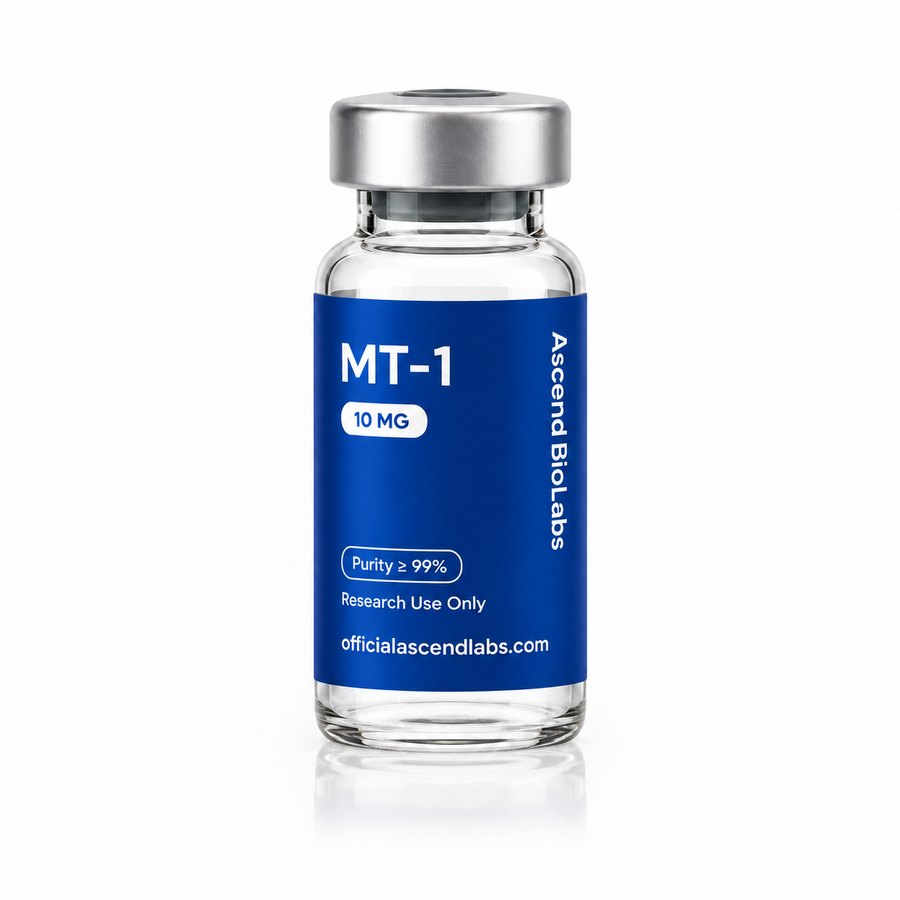
MT-1
MT-1 is a synthetic tridecapeptide analog of alpha-MSH studied for its roles in melanocortin-1 receptor (MC1R) signaling, eumelanin biosynthesis pathways, and cAMP/protein kinase A cascade activation. A widely characterized compound in melanocyte biology and photoprotection research literature.
 RESEARCH USE ONLY
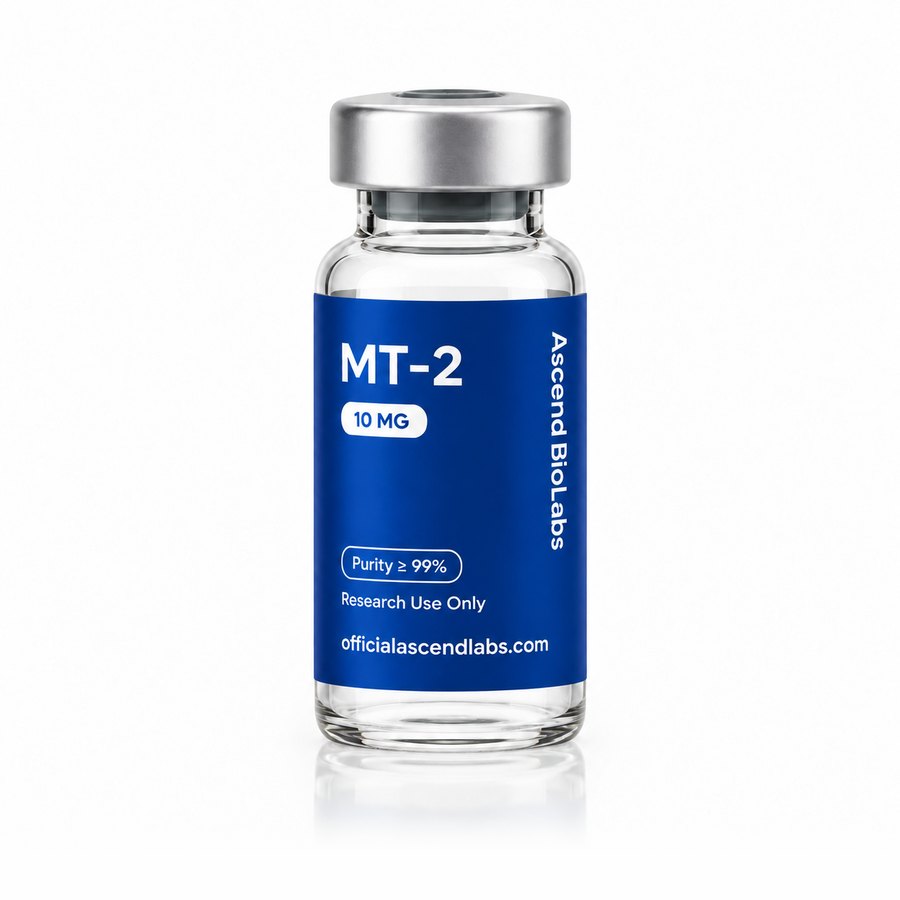
MT-2
MT-2 is a synthetic cyclic heptapeptide analog of alpha-MSH studied for its roles in melanocortin receptor signaling, MC1R-mediated melanogenesis pathways, and MC3R/MC4R energy homeostasis modulation. A widely characterized compound in pigmentation biology and melanocortin pharmacology research literature.
 RESEARCH USE ONLY
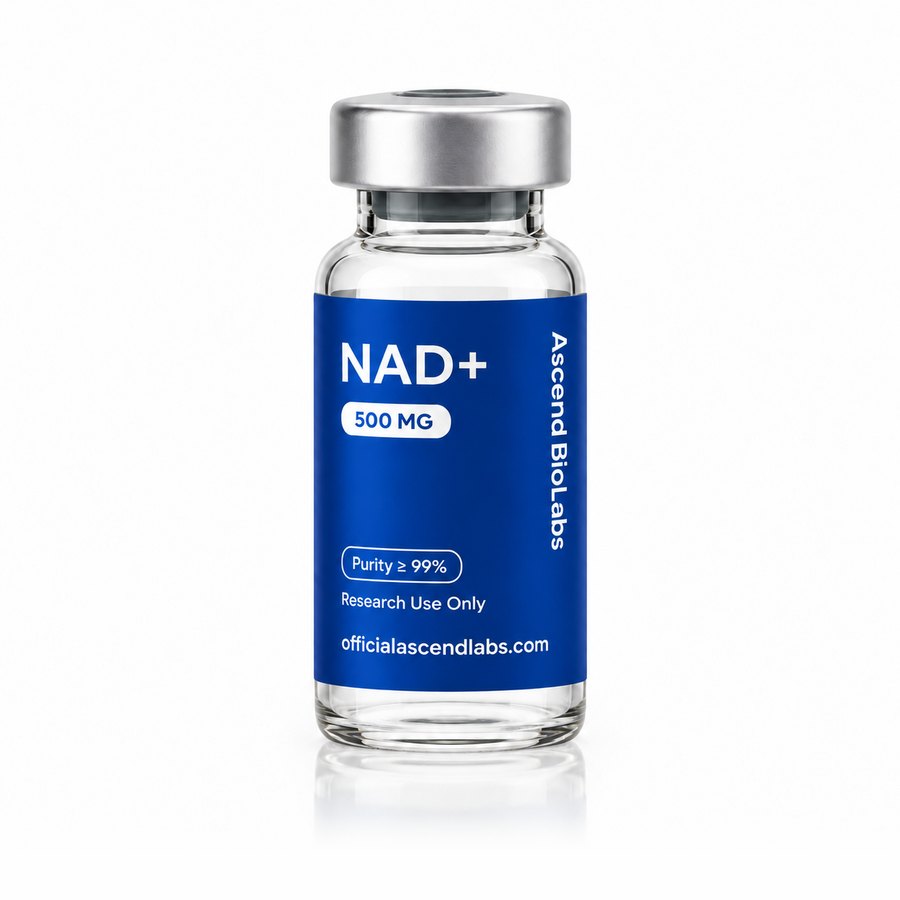
NAD+
NAD+ is a dinucleotide coenzyme composed of nicotinamide and adenine ribonucleotides studied for its roles in redox metabolism, sirtuin-mediated deacetylation, and PARP-dependent ADP-ribosylation pathways. A widely characterized compound in cellular bioenergetics and aging research literature.
 RESEARCH USE ONLY
PT-141
PT-141 is a synthetic cyclic heptapeptide analog of alpha-MSH studied for its roles in melanocortin-4 receptor signaling, hypothalamic neuroendocrine pathways, and central dopaminergic and oxytocinergic modulation. A widely characterized compound in melanocortin receptor and central nervous system research literature.
 RESEARCH USE ONLY
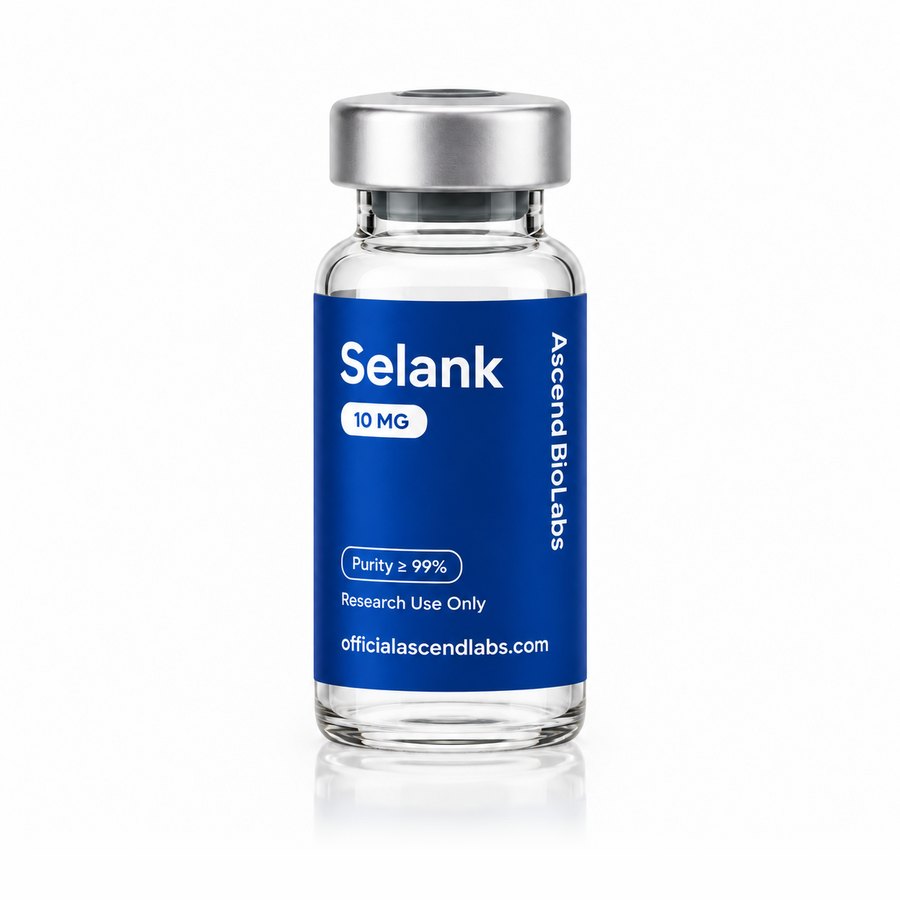
Selank
Selank is a synthetic heptapeptide analog of tuftsin studied for its roles in GABAergic neurotransmission, enkephalin metabolism, and monoamine receptor modulation. A widely referenced compound in neuropeptide and anxiolytic research literature.
 RESEARCH USE ONLY
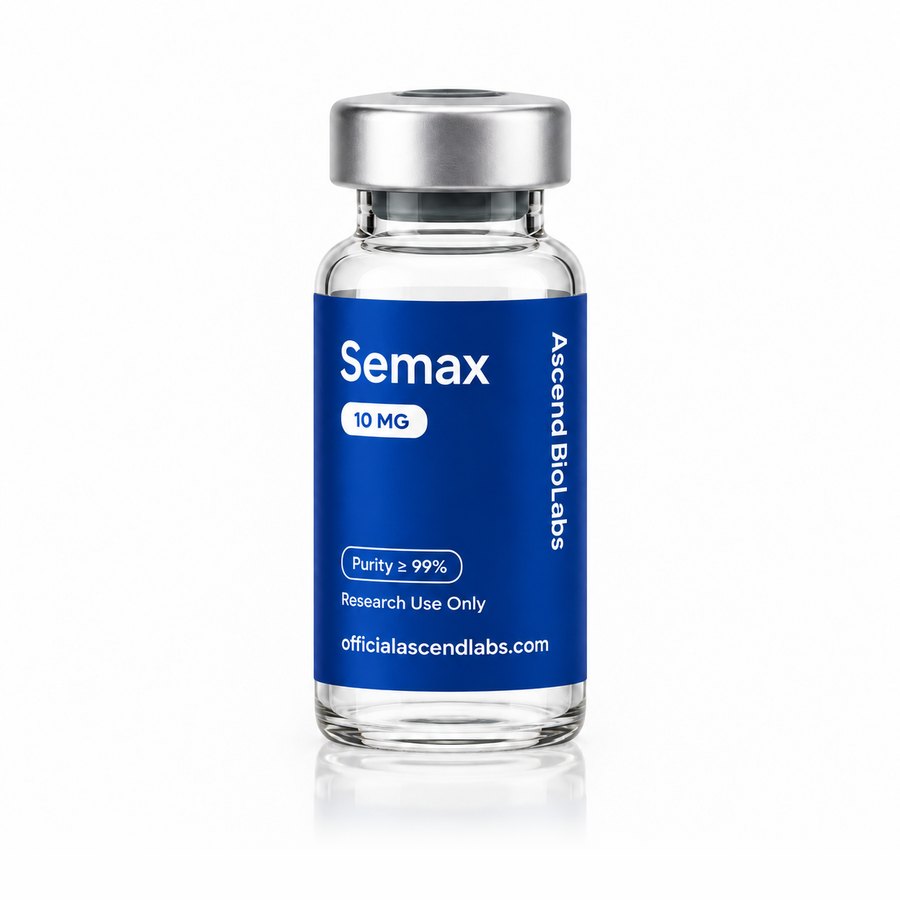
Semax
Semax is a synthetic heptapeptide analog of ACTH(4-10) studied for its roles in BDNF and NGF expression, dopaminergic and serotonergic signaling, and melanocortin receptor modulation. A widely cited compound in neuropeptide and cognitive neuroscience research literature.
 RESEARCH USE ONLY
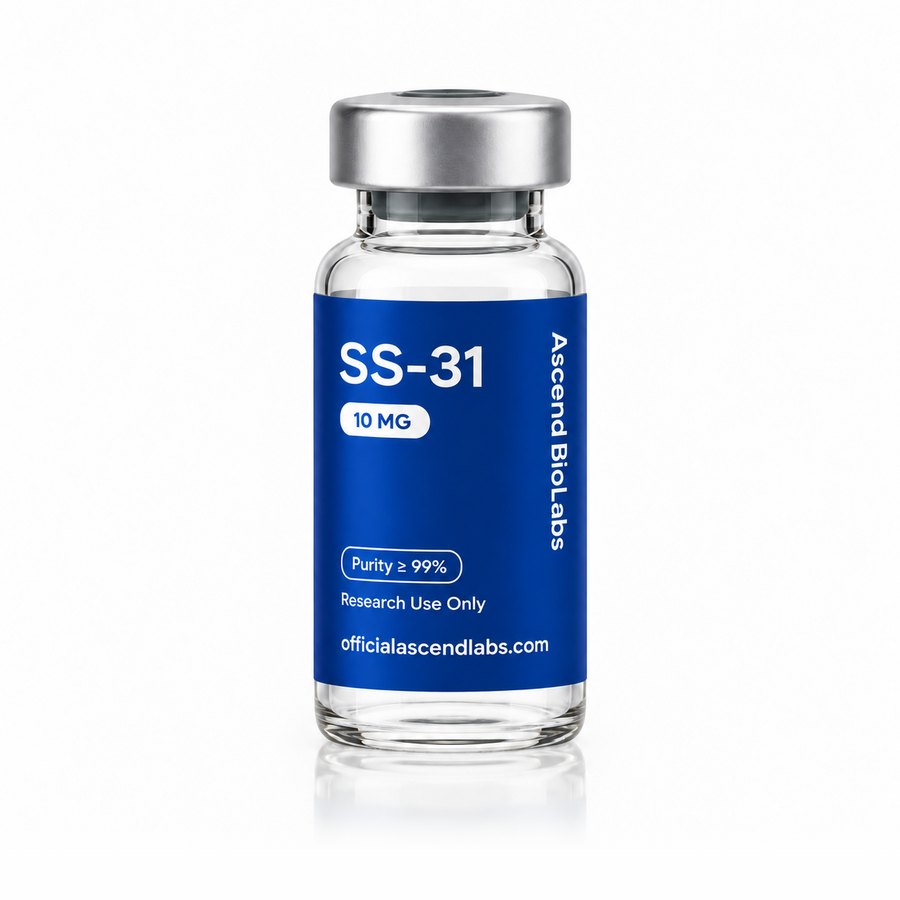
SS-31
SS-31 is a synthetic mitochondria-targeted tetrapeptide studied for its roles in cardiolipin-binding interactions, mitochondrial membrane stabilization, and oxidative stress pathways. A widely characterized compound in mitochondrial dysfunction and cellular energy metabolism research literature.
 COA RESEARCH USE ONLY
Tesamorelin
Tesamorelin is a synthetic 44-amino-acid GHRH analog studied for its roles in pituitary somatotroph signaling, hepatic IGF-1 axis modulation, and visceral adipose tissue metabolism. A widely characterized compound in endocrine and metabolic research literature.
 RESEARCH USE ONLY
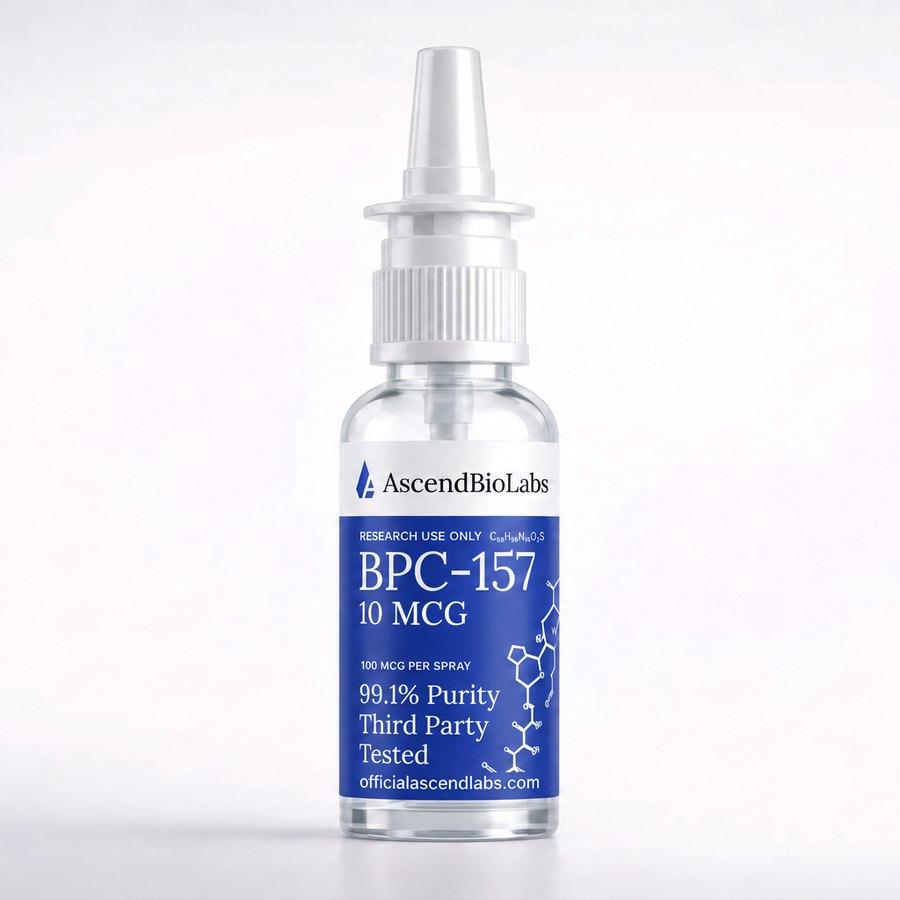
BPC-157 + Spray Kit
BPC-157 + Spray Kit packages BPC-157 - a synthetic 15-amino-acid pentadecapeptide derived from gastric juice protein - for intranasal-route research, studied for its roles in angiogenesis signaling, growth factor receptor modulation, and nitric oxide pathway interactions. A widely characterized compound in gastrointestinal and musculoskeletal tissue research literature.
 RESEARCH USE ONLY
MT-2 + Spray Kit
MT2 + Spray Kit packages MT-2 - a cyclic seven-amino-acid synthetic alpha-MSH analog and melanocortin receptor agonist - studied for its roles in melanocortin receptor signaling, melanogenesis pathways, and appetite regulation circuits, for intranasal-route research. A widely referenced compound in pigmentation biology and neuroendocrine research literature.
 RESEARCH USE ONLY
NAD+ + Spray Kit
NAD+ + Spray Kit packages NAD+ - a pyridine dinucleotide coenzyme studied for its roles in redox electron transfer, sirtuin-mediated deacetylation, and PARP-dependent DNA repair pathways - for intranasal-route research. A widely characterized compound in cellular metabolism and mitochondrial bioenergetics research literature.
 RESEARCH USE ONLY
Selank + Spray Kit
Selank + Spray Kit packages Selank - a synthetic heptapeptide analog of the immunomodulatory fragment tuftsin - studied for its roles in GABAergic signaling pathways, enkephalin system modulation, and BDNF expression dynamics, for intranasal-route research. A widely characterized compound in neuropharmacology and anxiolytic mechanism research literature.
 RESEARCH USE ONLY
Semax + Spray Kit
Semax + Spray Kit packages Semax - a synthetic heptapeptide analog of ACTH(4-10) studied for its roles in BDNF expression pathways, dopaminergic signaling, and melanocortin receptor activity - for intranasal-route research. A widely cited compound in neuropeptide and cognitive neuroscience research literature.
No products match those filters.
Clear the search or choose another category. Can’t find a compound? Ask the team.
About the Ascend Peptide Catalog
The catalog is arranged so a researcher can get from question to product quickly. Individual Products holds single compounds such as BPC-157, CJC-1295 no DAC, Tesamorelin and the GLP-class research peptides. Blends holds multi-compound vials like GLOW and the Wolverine blend. Capsules and Spray Kits list oral-format and intranasal-format research compounds, and Accessories covers Ascend H2O diluent and an insulated storage case.
Documentation sits beside the products. The COAs page collects every independent laboratory report we have published, and each product that has one shows a COA badge here. For storage, reconstitution technique and supplier checks, the Ascend BioLabs Education library has ten plain-language guides, and Ascend Bio Labs News announces new reports and catalog changes.
All products are for in vitro laboratory research by qualified adults. They are not intended for human or veterinary use.