
Individual Products
Individual Products is the core of the Ascend Bio Labs catalog: single-compound research peptides and related laboratory compounds, each in a labeled vial. Every listing explains what the compound is studied for in published literature, and the products that already have a published laboratory report link straight to it on the Ascend Bio Labs COAs page.
Looking for a combination? See Blends. Need solvent or storage? Visit Accessories. New to reading product documentation? Start with how to read a peptide COA. All products are for laboratory research use only.
 RESEARCH USE ONLY
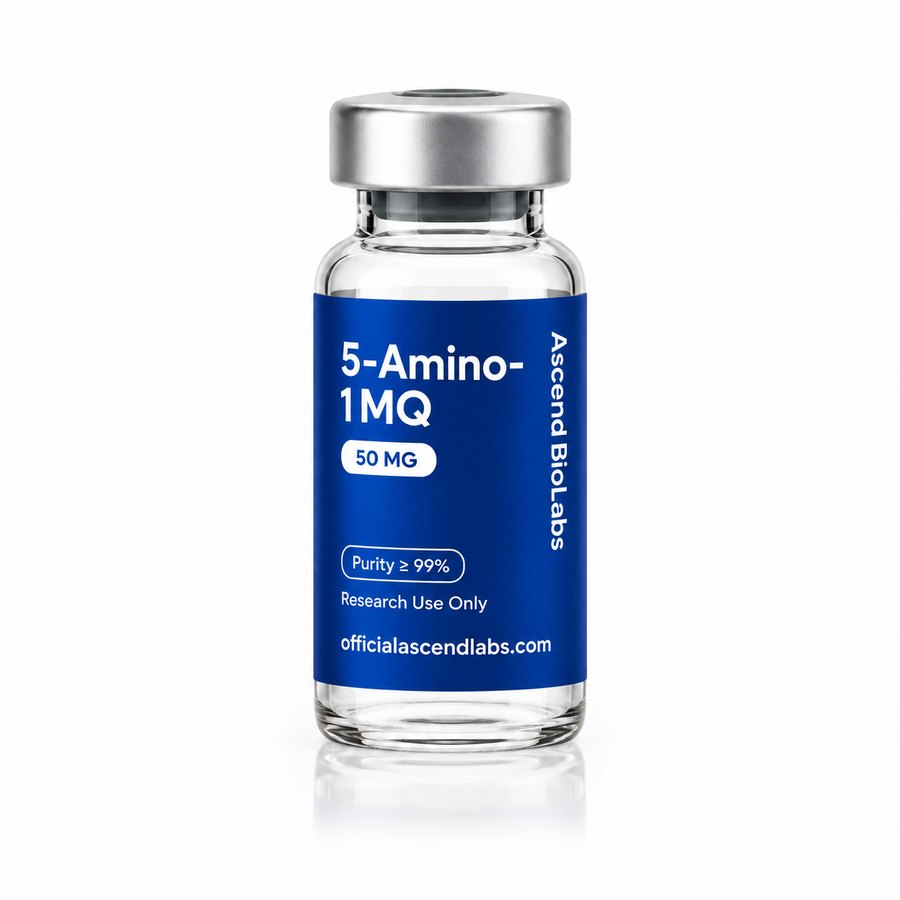
5-Amino-1MQ
5-Amino-1MQ is a small-molecule NNMT (nicotinamide N-methyltransferase) inhibitor studied for its roles in NAD+ salvage pathways, methionine cycle and SAM regulation, and adipocyte lipogenesis signaling. A widely characterized compound in metabolic and energy-homeostasis research literature.
 RESEARCH USE ONLY
AOD-9604
AOD-9604 is a modified C-terminal fragment of human growth hormone (hGH 177-191) studied for its roles in beta-adrenergic receptor signaling, hormone-sensitive lipase activation, and adipocyte lipogenesis pathways. A widely cited compound in metabolic and adipose tissue research literature.
 COA RESEARCH USE ONLY
BPC-157
BPC-157 is a synthetic pentadecapeptide derived from a gastric protective protein, studied for its roles in angiogenic signaling, nitric oxide pathway modulation, and growth factor expression. A widely characterized compound in musculoskeletal and gastrointestinal research literature.
 RESEARCH USE ONLY
Cagrilintide
Cagrilintide is a synthetic long-acting amylin receptor agonist peptide studied for its roles in amylin receptor signaling, satiety pathway modulation, and gastric emptying regulation. A widely characterized compound in energy-homeostasis and appetite-regulation research literature.
 RESEARCH USE ONLY
Cerebrolysin
Cerebrolysin is a peptide-based neurotrophic preparation derived from purified porcine brain protein, studied for its roles in BDNF-like signaling, neuroprotective factor expression, and synaptic plasticity modulation. A widely characterized compound in neurological and cognitive function research literature.
 COA RESEARCH USE ONLY
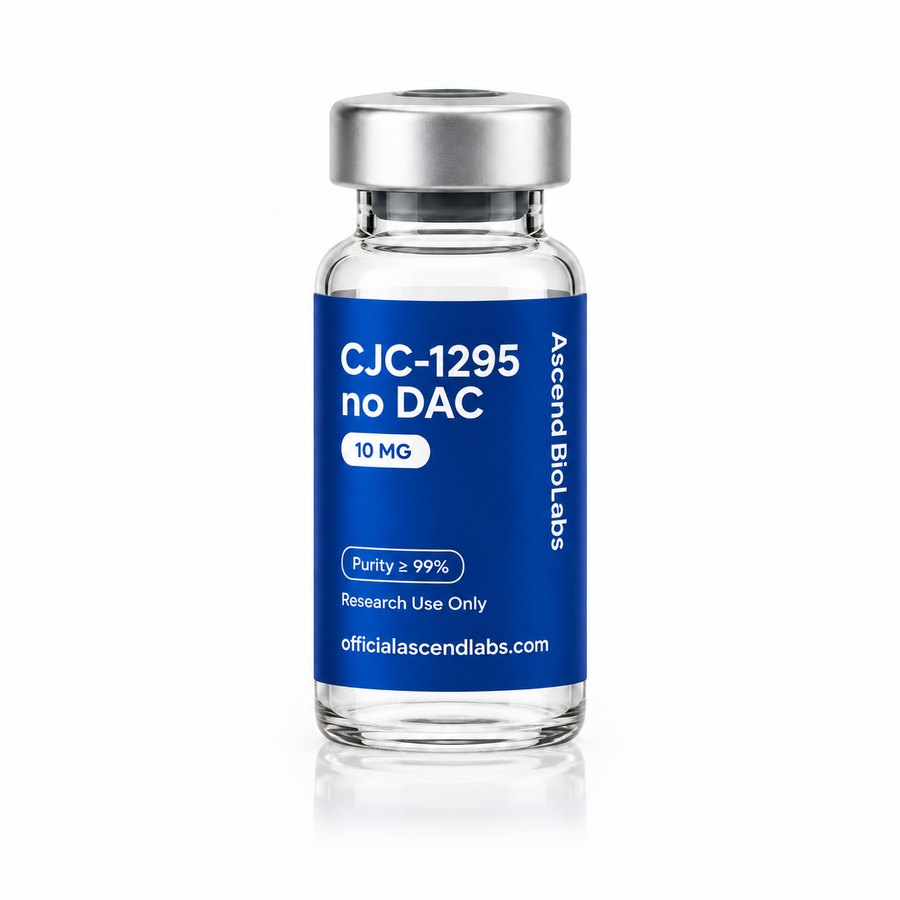
CJC-1295 no DAC
CJC no DAC is a stabilized 29-amino acid GHRH analog studied for its roles in pituitary somatotroph receptor binding, cAMP signaling cascades, and pulsatile growth hormone secretion. A widely characterized compound in endocrine and growth hormone-IGF-1 axis research literature.
 RESEARCH USE ONLY
CJC-1295 with DAC
CJC-1295 with DAC is a long-acting GHRH analog conjugated to a Drug Affinity Complex studied for its roles in pituitary somatotroph signaling, growth hormone pulsatility, and IGF-1 axis modulation. A widely characterized compound in endocrinology and peptide pharmacokinetics research literature.
 RESEARCH USE ONLY
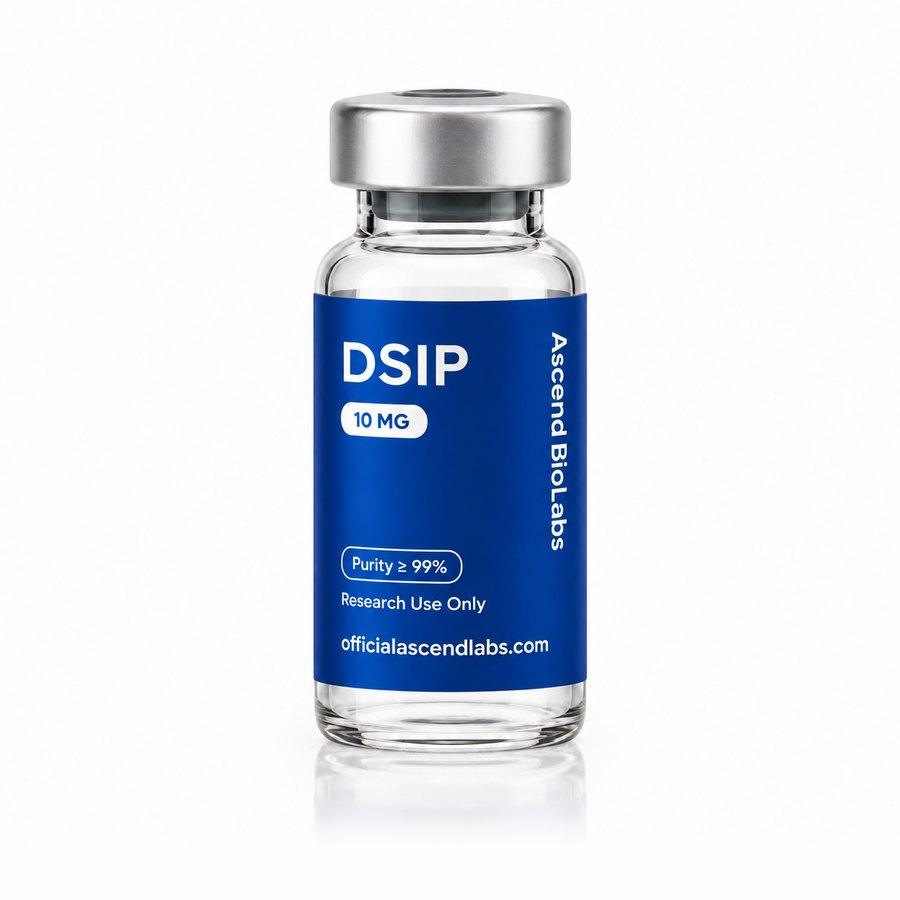
DSIP
DSIP is a naturally occurring nonapeptide studied for its roles in slow-wave sleep regulation, GABAergic and NMDA receptor modulation, and hypothalamic-pituitary-adrenal axis signaling. A widely characterized compound in neuroendocrinology and sleep neuroscience research literature.
 RESEARCH USE ONLY
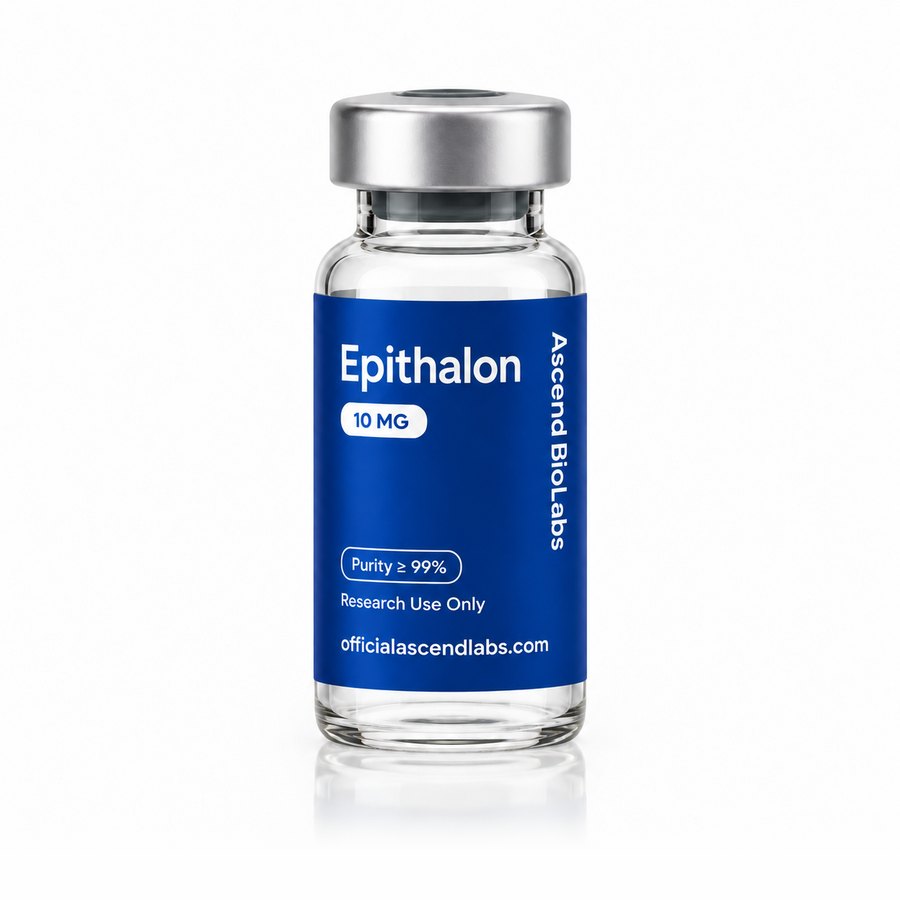
Epithalon
Epithalon is a synthetic tetrapeptide (Ala-Glu-Asp-Gly) and analog of pineal-derived epithalamin studied for its roles in telomerase activity, pineal melatonin synthesis pathways, and circadian rhythm regulation. A widely referenced compound in gerontology and chronobiology research literature.
 RESEARCH USE ONLY
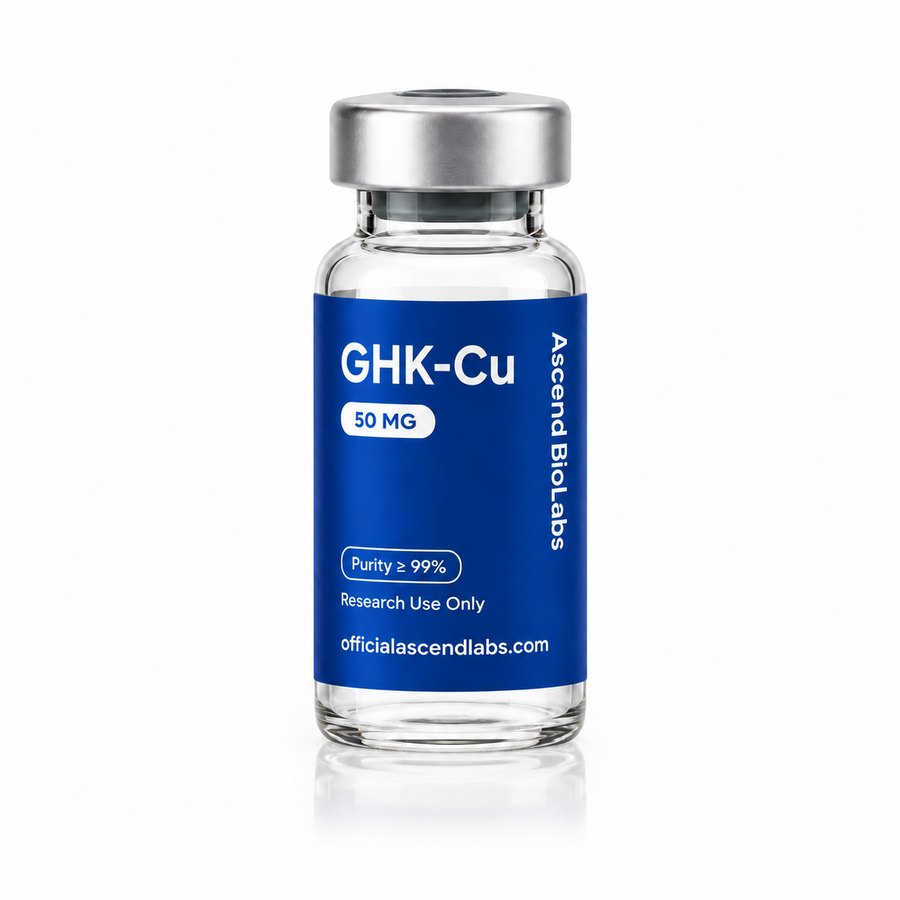
GHK-Cu
GHK-Cu is a naturally occurring copper-bound tripeptide complex studied for its roles in collagen synthesis pathways, extracellular matrix remodeling, and antioxidant enzyme regulation. A widely referenced compound in dermatological and tissue regeneration research literature.
 RESEARCH USE ONLY
GHRP-6
GHRP-6 is a synthetic hexapeptide ghrelin receptor (GHS-R1a) agonist studied for its roles in growth hormone secretagogue signaling, hypothalamic-pituitary axis modulation, and appetite-regulating neuropeptide pathways. A widely characterized compound in endocrinology and neuroendocrine research literature.
 COA RESEARCH USE ONLY
GLP-3 RT
GLP-3 RT is a synthetic 39-amino-acid triagonist peptide studied for its roles in GIP receptor signaling, GLP-1 receptor signaling, and glucagon receptor activation pathways. A widely characterized compound in metabolic and energy-homeostasis research literature.
 RESEARCH USE ONLY
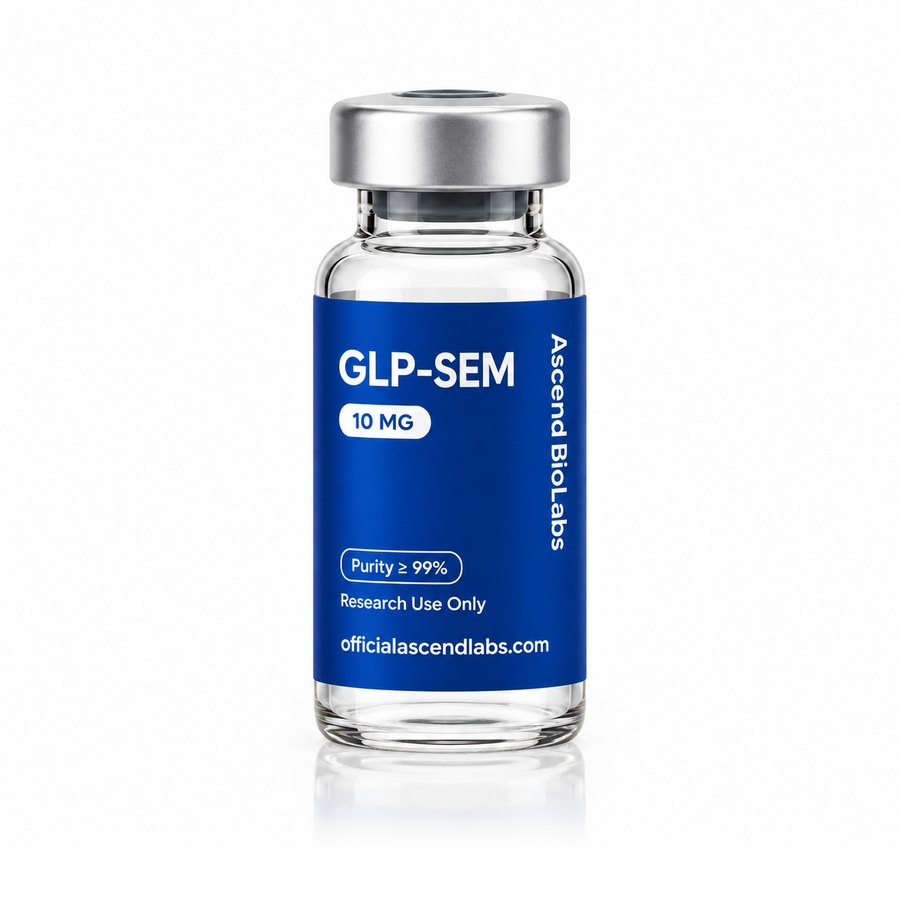
GLP-SEM
GLP-SEM is a 31-amino-acid GLP-1 receptor agonist analog studied for its roles in incretin signaling pathways, glucose homeostasis regulation, and appetite-related neuroendocrine modulation. A widely characterized compound in metabolic and endocrinology research literature.
 COA RESEARCH USE ONLY
GLP-TRZ
GLP-TRZ is a 39-amino acid dual GIP/GLP-1 receptor agonist peptide studied for its roles in incretin signaling, pancreatic beta-cell insulin secretion, and central appetite regulation pathways. A widely characterized compound in metabolic and endocrinology research literature.
 RESEARCH USE ONLY
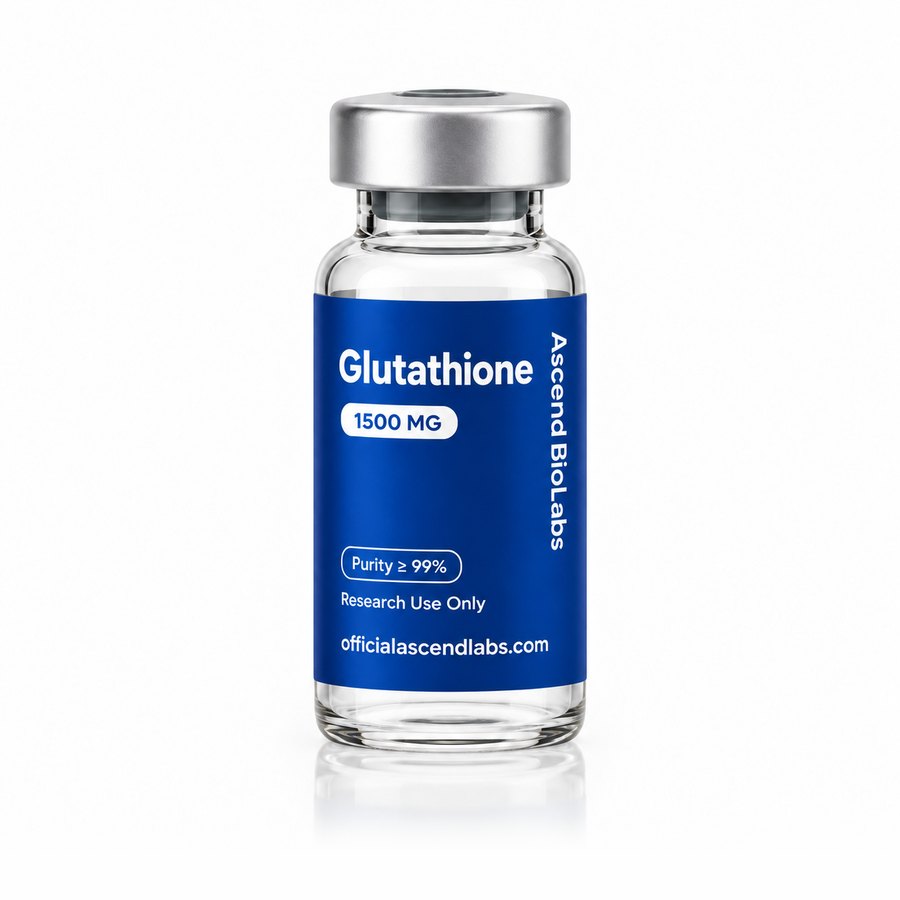
Glutathione
Glutathione is a gamma-L-glutamyl-L-cysteinyl-glycine tripeptide studied for its roles in cellular redox homeostasis, electrophile conjugation and detoxification pathways, and glutathione peroxidase-mediated reactive oxygen species cycling. A widely characterized compound in oxidative stress and biochemical research literature.
 RESEARCH USE ONLY
HCG
HCG is a heterodimeric glycoprotein hormone composed of non-covalently linked alpha and beta subunits studied for its roles in LH/CG receptor binding, cAMP and ERK signaling cascades, and steroidogenesis pathways. A widely characterized compound in reproductive endocrinology and gonadal physiology research literature.
 RESEARCH USE ONLY
IGF-1 LR3
IGF-1 LR3 is a long-arginine-3 analog of insulin-like growth factor-1 studied for its roles in IGF-1 receptor binding, PI3K/Akt/mTOR signal transduction, and FoxO-mediated transcriptional regulation. A widely characterized compound in skeletal muscle physiology and growth-factor signaling research literature.
 RESEARCH USE ONLY
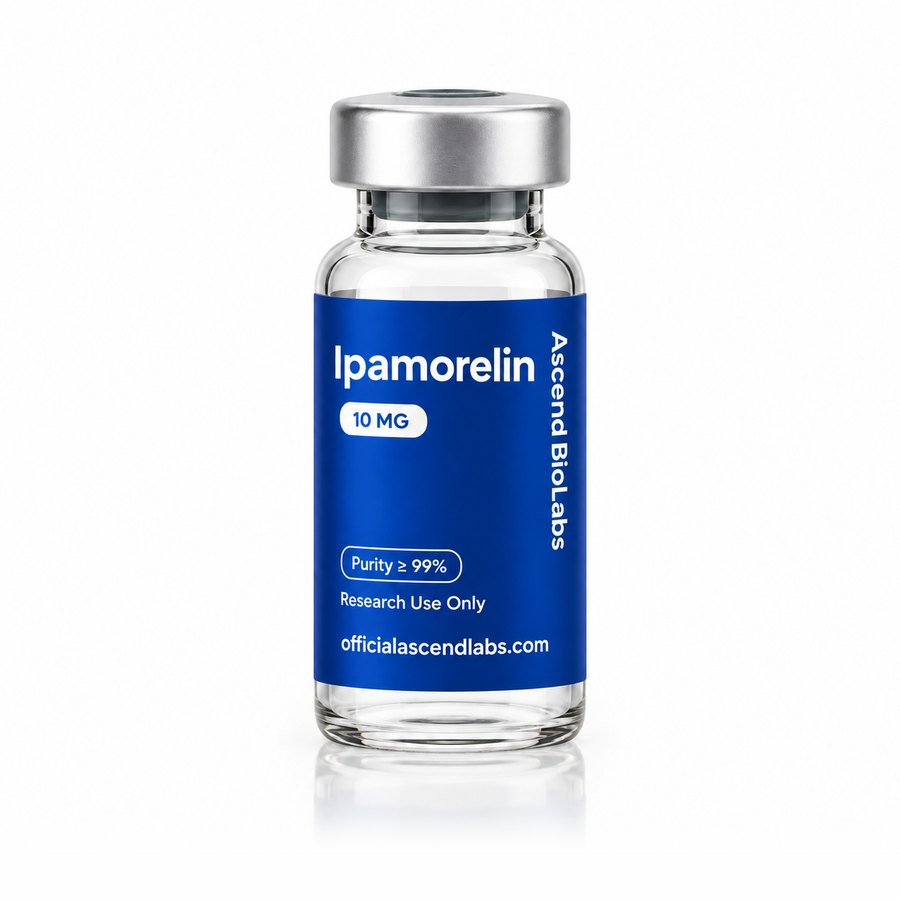
Ipamorelin
Ipamorelin is a synthetic pentapeptide and selective ghrelin receptor (GHS-R1a) agonist studied for its roles in growth hormone secretion pathways, pituitary somatotroph signaling, and IGF-1 axis modulation. A widely characterized compound in endocrinology and neuroendocrine research literature.
 RESEARCH USE ONLY
Kisspeptin
Kisspeptin is a 10-amino-acid C-terminal peptide fragment and KISS1R/GPR54 receptor ligand studied for its roles in hypothalamic-pituitary-gonadal axis signaling, GnRH neuron activation, and luteinizing hormone release pathways. A widely characterized compound in reproductive endocrinology and neuroendocrine research literature.
 RESEARCH USE ONLY
KPV
KPV is a C-terminal tripeptide fragment of alpha-MSH studied for its roles in NF-kB signaling, melanocortin receptor (MC1R/MC3R) binding, and MAPK pathway modulation. A widely referenced compound in gastrointestinal inflammation and dermatological research literature.
 RESEARCH USE ONLY
L-Carnitine
L-Carnitine is a naturally occurring quaternary ammonium compound biosynthesized from lysine and methionine, studied for its roles in long-chain fatty acid mitochondrial transport, beta-oxidation facilitation, and acetyl-CoA modulation. A widely characterized compound in metabolic and sports performance research literature.
 RESEARCH USE ONLY
Lemon Bottle
Lemon Bottle is a synthetic lipolytic peptide complex studied for its roles in adipocyte membrane disruption, phospholipase activation, and localized fat metabolism signaling. A widely characterized compound in aesthetic and body composition research literature.
 RESEARCH USE ONLY
MOTS-c
MOTS-c is a 16-amino-acid mitochondrial-derived peptide encoded within the 12S rRNA gene, studied for its roles in AMPK signaling, glucose metabolism pathways, and mitochondrial biogenesis. A widely characterized compound in metabolic and longevity research literature.
 RESEARCH USE ONLY
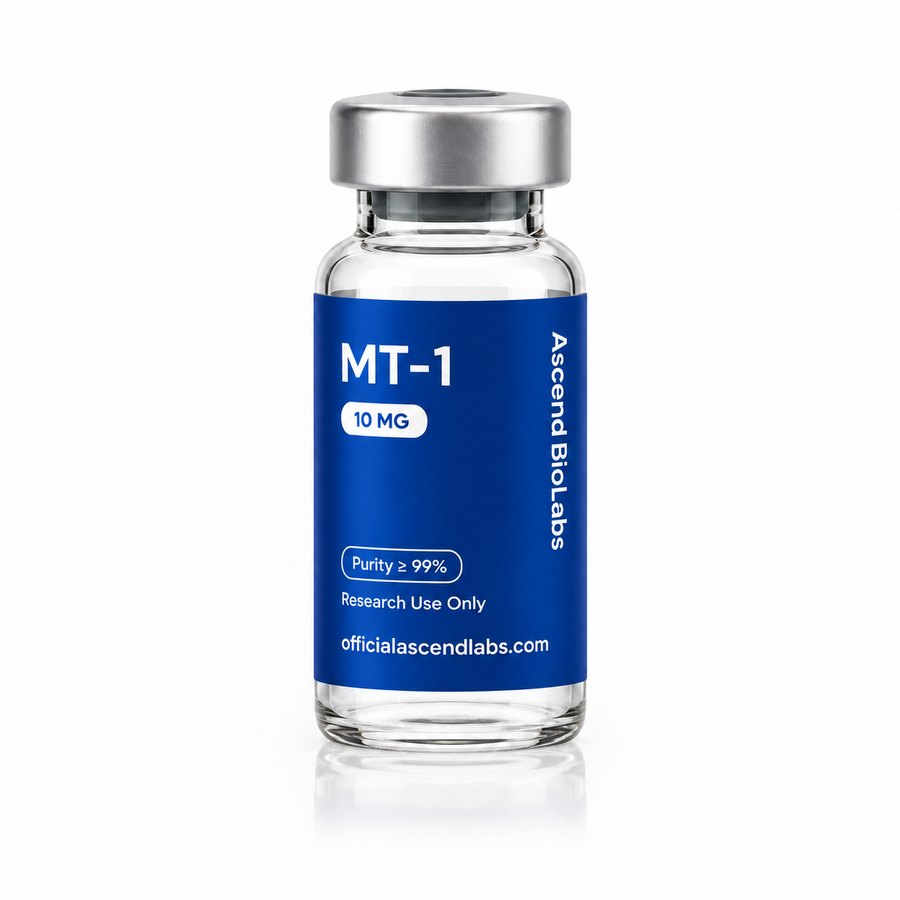
MT-1
MT-1 is a synthetic tridecapeptide analog of alpha-MSH studied for its roles in melanocortin-1 receptor (MC1R) signaling, eumelanin biosynthesis pathways, and cAMP/protein kinase A cascade activation. A widely characterized compound in melanocyte biology and photoprotection research literature.
 RESEARCH USE ONLY
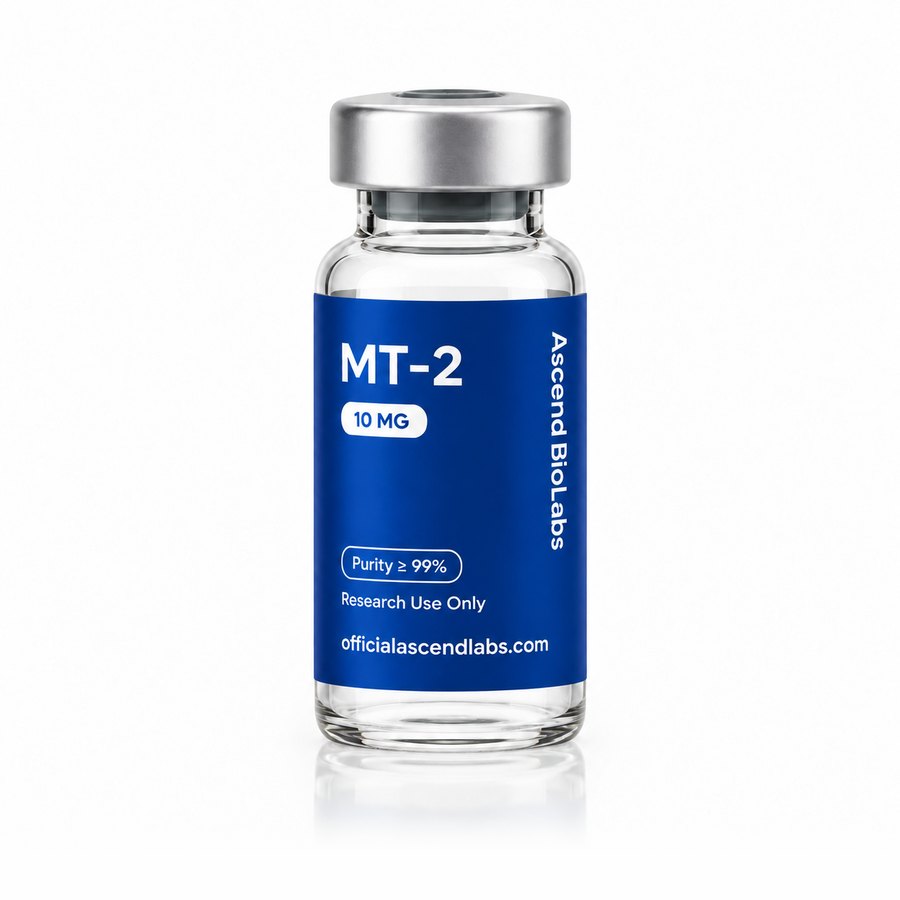
MT-2
MT-2 is a synthetic cyclic heptapeptide analog of alpha-MSH studied for its roles in melanocortin receptor signaling, MC1R-mediated melanogenesis pathways, and MC3R/MC4R energy homeostasis modulation. A widely characterized compound in pigmentation biology and melanocortin pharmacology research literature.
 RESEARCH USE ONLY
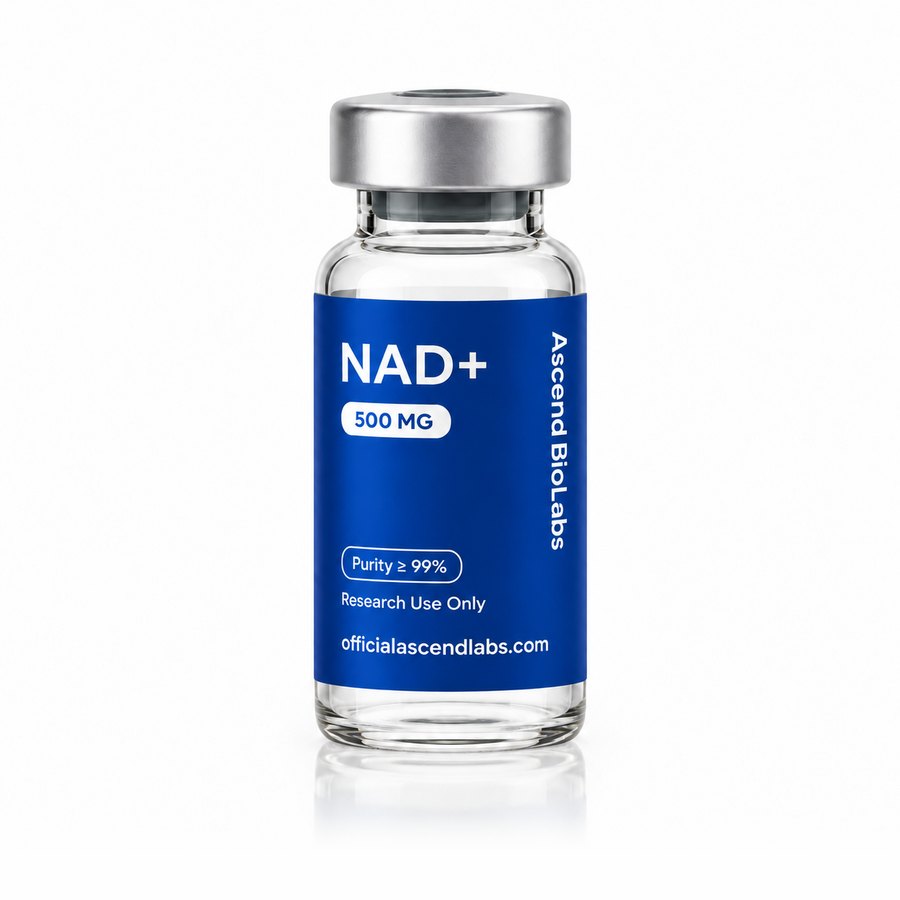
NAD+
NAD+ is a dinucleotide coenzyme composed of nicotinamide and adenine ribonucleotides studied for its roles in redox metabolism, sirtuin-mediated deacetylation, and PARP-dependent ADP-ribosylation pathways. A widely characterized compound in cellular bioenergetics and aging research literature.
 RESEARCH USE ONLY
PT-141
PT-141 is a synthetic cyclic heptapeptide analog of alpha-MSH studied for its roles in melanocortin-4 receptor signaling, hypothalamic neuroendocrine pathways, and central dopaminergic and oxytocinergic modulation. A widely characterized compound in melanocortin receptor and central nervous system research literature.
 RESEARCH USE ONLY
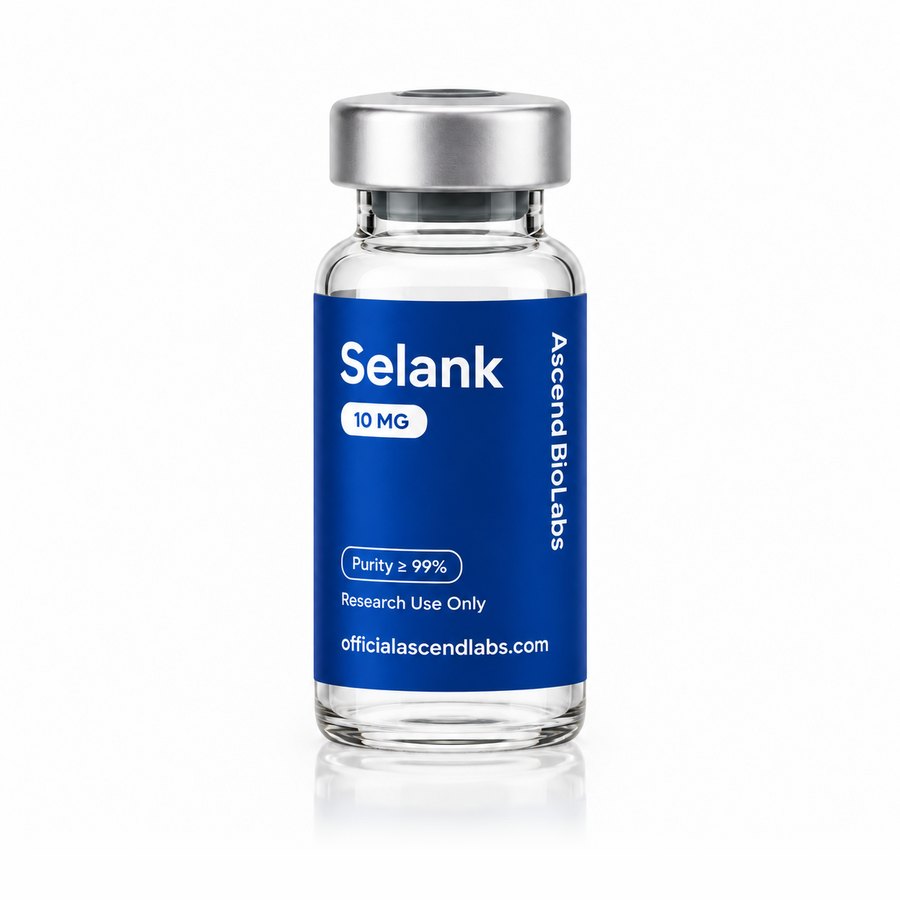
Selank
Selank is a synthetic heptapeptide analog of tuftsin studied for its roles in GABAergic neurotransmission, enkephalin metabolism, and monoamine receptor modulation. A widely referenced compound in neuropeptide and anxiolytic research literature.
 RESEARCH USE ONLY
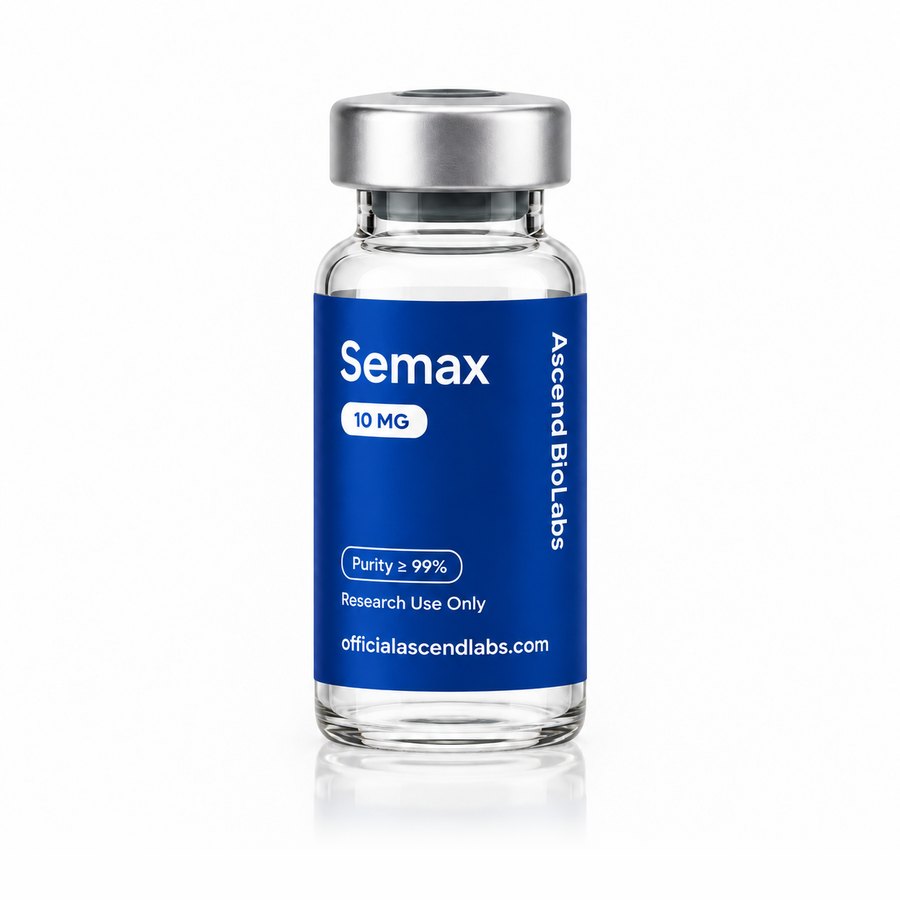
Semax
Semax is a synthetic heptapeptide analog of ACTH(4-10) studied for its roles in BDNF and NGF expression, dopaminergic and serotonergic signaling, and melanocortin receptor modulation. A widely cited compound in neuropeptide and cognitive neuroscience research literature.
 RESEARCH USE ONLY
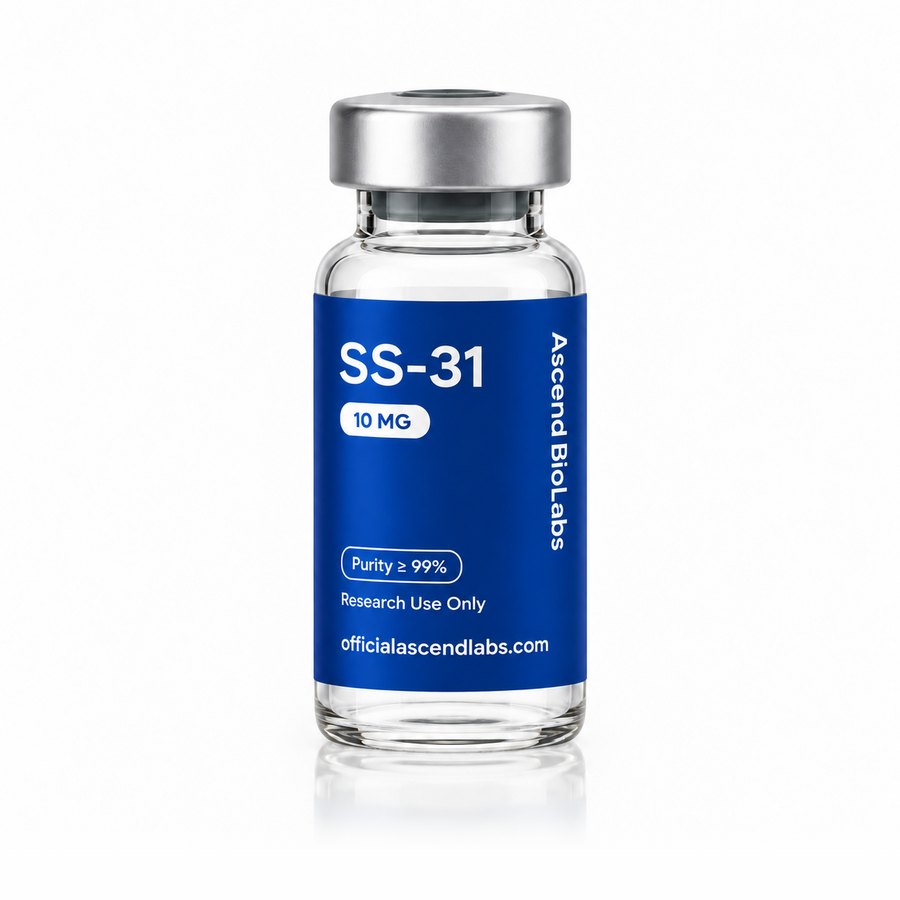
SS-31
SS-31 is a synthetic mitochondria-targeted tetrapeptide studied for its roles in cardiolipin-binding interactions, mitochondrial membrane stabilization, and oxidative stress pathways. A widely characterized compound in mitochondrial dysfunction and cellular energy metabolism research literature.
 COA RESEARCH USE ONLY
Tesamorelin
Tesamorelin is a synthetic 44-amino-acid GHRH analog studied for its roles in pituitary somatotroph signaling, hepatic IGF-1 axis modulation, and visceral adipose tissue metabolism. A widely characterized compound in endocrine and metabolic research literature.